Strengthening India’s Battery Waste Management Ecosystem
With the rapid growth of electric vehicles (EVs), renewable energy storage, and consumer electronics, battery usage in India has increased significantly. Managing end-of-life batteries safely has therefore become essential to protect the environment, recover valuable resources, and support a circular economy.
To address this, the Central Pollution Control Board (CPCB) has issued the Guidelines for Collection, Handling, Storage, Transportation and Recycling of Waste Batteries (July 2026) under the Battery Waste Management Rules, 2022. These guidelines establish standardized procedures for the environmentally sound management of waste batteries and strengthen the Extended Producer Responsibility (EPR) framework.
Why Are These Guidelines Important?
The guidelines provide a comprehensive framework for managing waste batteries from collection to recycling. Their key objectives are to:
- Improve collection and recovery of waste batteries.
- Ensure safe handling, storage, and transportation.
- Prevent fire hazards, leakages, and environmental contamination.
- Strengthen traceability through the CPCB Battery EPR Portal, supporting battery epr compliance across the supply chain.
- Promote recovery of valuable materials such as Lead, Lithium, Nickel, Cobalt, Copper, Aluminium, Graphite, and Manganese.
- Support India’s circular economy and resource efficiency goals.
Who Needs to Comply?
The guidelines apply to all stakeholders involved in the battery value chain, including:
- Producers
- Manufacturers and Importers
- Collection Centres
- Recyclers
- Refurbishers
- Dealers
- Transporters
- Bulk Consumers
They cover all major battery categories, including Portable, Automotive, Industrial, and Electric Vehicle (EV) batteries, along with battery chemistries such as Lead Acid, Lithium-ion, Nickel Cadmium, Nickel Metal Hydride, Zinc-based, and Alkaline batteries.
Key Highlights of the Guidelines
1. Producer Responsibility and Collection Systems
Producers are required to establish effective take-back and collection systems to ensure environmentally sound management of waste batteries. Collection may be carried out through authorized collection centres, dealers, reverse logistics, and other approved mechanisms under the EPR framework.
2. Collection Centre Requirements
Collection Centres may only be established by eligible Producers, Recyclers, or Refurbishers after obtaining the necessary approvals from the respective State Pollution Control Board (SPCB) or Pollution Control Committee (PCC), including Consent to Establish (CTE), Consent to Operate (CTO), and Hazardous Waste Authorization where applicable.
Collection Centres are permitted only to collect, inspect, segregate, and temporarily store waste batteries. Dismantling, shredding, or recycling activities are not allowed.
3. Safe Storage Practices
To reduce environmental and safety risks, storage facilities should:
- Be cool, dry, and well ventilated.
- Have non-combustible flooring.
- Include fire detection and suppression systems.
- Segregate batteries by chemistry and condition.
- Isolate damaged or leaking batteries.
- Maintain spill containment and emergency response equipment.
Waste batteries should generally not be stored for more than 90 days, unless an extension is approved by the competent authority.
4. Transportation Requirements
Waste batteries must be transported safely using appropriate packaging and containers to prevent damage and short circuits. Lithium-ion batteries require additional precautions such as insulated terminals and maintaining a low state of charge. Transportation must comply with applicable hazardous waste regulations and road transport requirements.
5. Battery Recycling Process
The CPCB recommends a structured recycling process:
Collection → Transportation → Handling → Discharging/Acid Draining → Storage → Sorting → Inspection → Dismantling → Recovery of Metals and Metal Salts
Following this process helps maximize material recovery while minimizing environmental impacts.
6. Recovery of Critical Materials
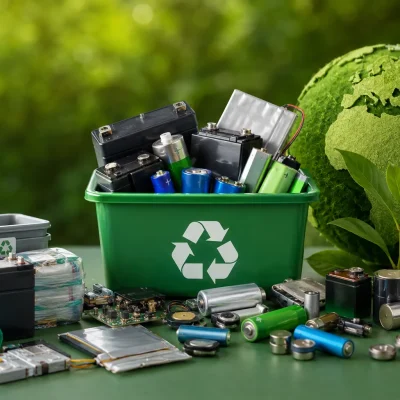
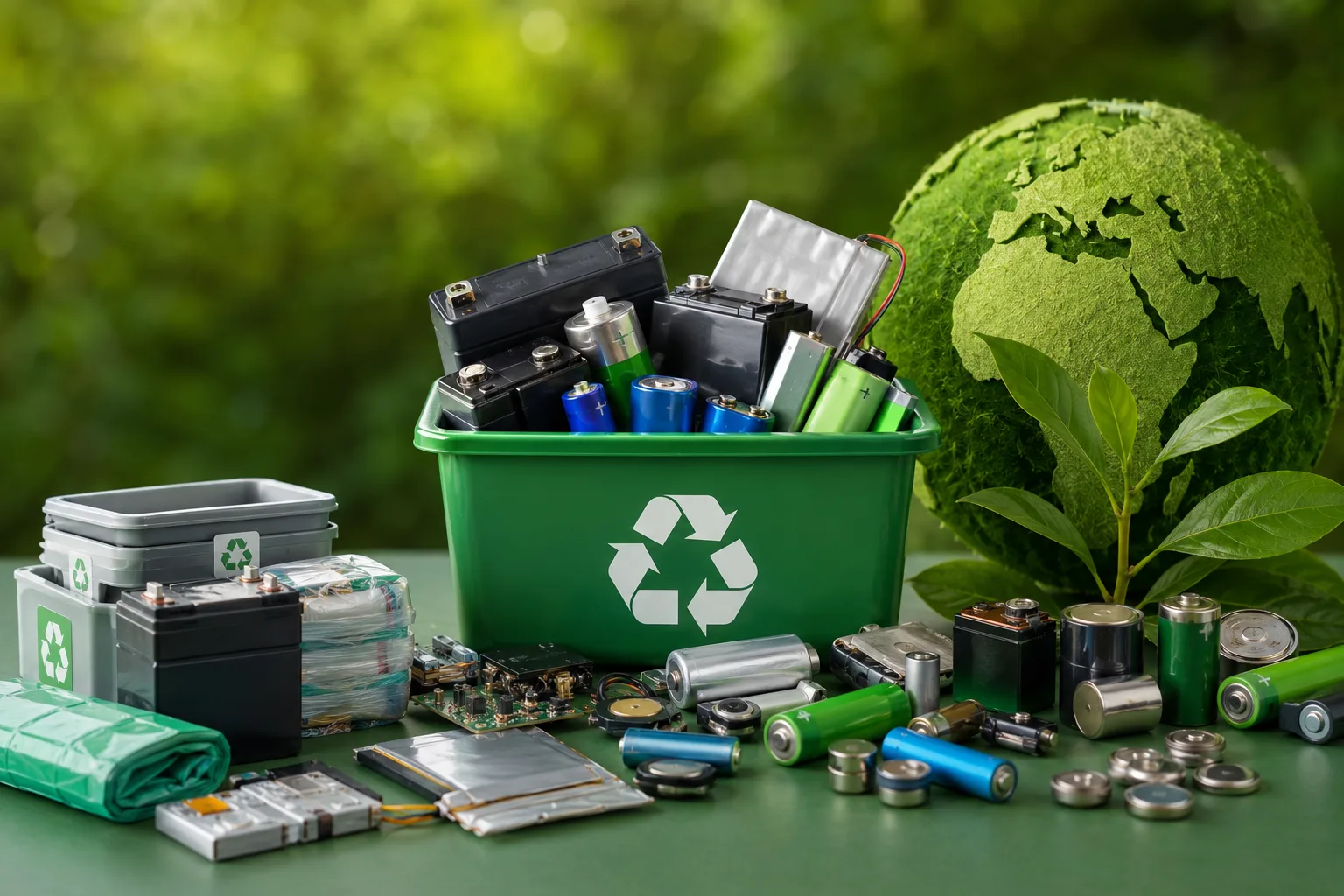
Battery recycling enables recovery of valuable resources including:
- Lead
- Lithium
- Nickel
- Cobalt
- Copper
- Aluminium
- Iron
- Graphite
- Manganese
- Sodium Salts
Recovering these materials reduces dependence on virgin resources and supports sustainable manufacturing.
7. Record Keeping and EPR Compliance
Registered recyclers are required to:
- Register on the CPCB Battery EPR Portal.
- Maintain procurement and recycling records.
- Record recovered materials.
- Generate and transfer EPR Certificates.
- Submit quarterly returns through the portal.
Proper documentation ensures transparency and regulatory compliance.
8. Environmental Compensation
Non-compliance with the Battery Waste Management Rules, 2022 and the CPCB Guidelines may attract Environmental Compensation and other regulatory actions under applicable environmental laws.
The CPCB Battery Waste Management Guidelines, 2026 provide a robust framework for the safe collection, storage, transportation, and recycling of waste batteries in India. By strengthening traceability, promoting recovery of critical minerals, and standardizing operational practices, the guidelines play a vital role in supporting India’s clean energy transition and circular economy.
For producers, recyclers, collection centres, and refurbishers, timely compliance is essential—not only to meet regulatory requirements but also to build sustainable and responsible business practices.
How Kar Parivartan LLP Can Help
Kar Parivartan LLP offers end-to-end support for Battery Waste Management compliance, including:
- Battery EPR Registration and Compliance
- CPCB Battery EPR Portal Registration
- Collection Centre Framework Development
- Recycler Registration and Operational Advisory
- SOPs for Collection, Storage and Transportation
- Battery Recycling Compliance Advisory
- EPR Certificate Management
- Regulatory Audits and Due Diligence
- ESG and Circular Economy Advisory
Our team helps businesses navigate regulatory requirements and build efficient, compliant, and sustainable battery waste management systems.
Get in Touch
Website: www.karparivartan.com
Email: info@karparivartan.com
FAQs
Which batteries are covered under the guidelines?
The guidelines apply to Portable, Automotive, Industrial, and EV batteries across multiple chemistries, including Lead Acid, Lithium-ion, Nickel Cadmium, Nickel Metal Hydride, Zinc-based, and Alkaline batteries.
Can any company establish a Collection Centre?
No. Only eligible Producers, Recyclers, or Refurbishers can establish Collection Centres after obtaining the required approvals from the concerned SPCB/PCC.
Can Collection Centres dismantle batteries?
No. Collection Centres are only authorized to collect, inspect, segregate, and temporarily store waste batteries. Dismantling and recycling activities are not permitted.
How long can waste batteries be stored?
Waste batteries may generally be stored for up to 90 days, unless an extension is granted by the competent authority.
What materials can be recovered through battery recycling?
Battery recycling enables recovery of Lead, Lithium, Nickel, Cobalt, Copper, Aluminium, Iron, Graphite, Manganese, and other valuable materials that can be reintroduced into manufacturing.
What are the consequences of non-compliance?
Violations may result in Environmental Compensation, regulatory penalties, suspension of approvals, and other enforcement actions under the Battery Waste Management Rules.