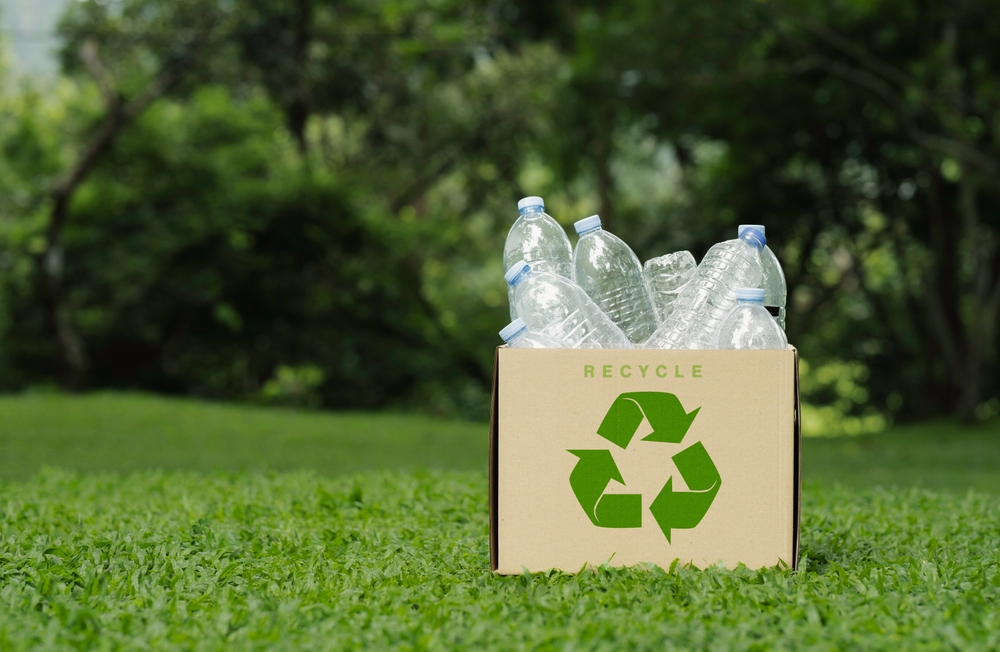
In India, the example of Extended Producer Responsibility (EPR) has long been synonymous with plastic waste management. But as we move deeper into 2025, the EPR landscape is shifting. New draft rules are pushing the regulatory boundary beyond plastics to include paper, glass, metal, and sanitary waste. For businesses, this means that your Source-to-Pay compliance strategy has to evolve. This write up explores the emerging regulations, implications for various stakeholders, and a blueprint for proactive preparation.
Why does the EPR expansion matter?
The limitations of plastic-only EPR till now
For years, India’s EPR regime has primarily addressed plastic packaging waste under the Plastic Waste Management Rules, 2016 (amended). Under that framework, brand owners and producers needed to ensure collection, recycling, and end-of-life treatment of plastic packaging. While this was a crucial first step, many material streams remained outside its scope.
But plastic is only one dimension of material pollution. Packaging made of paper, glass, metal, and products like sanitary napkins/diapers also generate huge volumes of waste. Leaving them unregulated creates blind spots in India’s circular economy goals.
What the new draft rules propose
Recent government drafts (Environment Protection (Extended Producer Responsibility for Packaging made from Paper, Glass and Metal as well as Sanitary Products) Rules, 2024) propose extending EPR to cover:
- Paper / Paperboard Packaging
- Glass Containers & Bottles
- Metal Packaging (excluding certain non-ferrous hazardous metals)
- Sanitary Products (diapers, sanitary napkins, incontinence pads)
Among the key provisions:
- Recycling / Recovery Targets: The draft mandates progressive recycling quotas for covered materials.
- Recycled Content Requirements: Producers must incorporate minimum percentages of recycled content in their packaging.
- Registration & Reporting: PIBOs (Producers, Importers, Brand Owners) must register on CPCB / SPCB portals and file annual returns.
- EPR Certificates / Credits: Entities that exceed targets may generate surplus credits that can be banked or traded.
- Penalties / Environmental Compensation (EC): Noncompliance will attract EC under the “polluter pays” principle; non-fulfillment may be carried forward for some years, with partial refunds of EC if targets are met later.
- Implementation timeline: The draft rules aim for effect from 1 April 2026.
Thus, as of 2025, businesses have a runway of time to prepare, but the clock is ticking.
How this EPR expansion impacts your Source-to-Pay journey
This expansion marks a shift in how businesses must think about their procurement, production, packaging, and waste management flows. Below is a roadmap of the changes and what to anticipate.
Upstream (Source) impacts
- Sourcing recycled content: As EPR rules demand use of recycled content in packaging, your procurement team must identify reliable suppliers of recycled paper, recycled glass cullet, and recycled metal alloys.
- Design for recyclability: Packaging design decisions will need to factor in recyclability — for instance, avoiding composite materials that hinder separation of paper + plastic layers.
- Material substitution decisions: Some firms may consider shifting from more difficult-to-recycle materials to ones with approved recovery infrastructure (e.g., preferring paper-based over plastic laminates where feasible).
Midstream (Pay / Process) adjustments
- Waste collection & segregation partnerships: Businesses will need to establish systems or tie-ups with waste collectors, MRFs (Material Recovery Facilities), recyclers, incinerators (for sanitary) that are authorized under EPR rules.
- Tracking & auditing of flows: Transparent tracking of packaging usage, waste collected, recycled, and disposed is essential to calculating compliance.
- EPR certificate trading & balancing: Surplus credits or deficits may need to be managed (trade, carry forward) — so financial workflows must integrate that.
- Annual reporting & audits: Complying with registration, return filings, and audits will become a recurring operational task.
Downstream (Pay) / Compliance & Risk
- Compliance risk management: Missing recycling targets or failing to register properly may lead to EC penalties or legal risk.
- Budgeting for EPR costs: Organizations must budget for collection, recycling, certificate procurement, audits, and compliance overheads.
- Reputation & ESG impact: Early compliance can become a competitive differentiator and support ESG / CSR goals.
- Cross-material compliance alignment: Many companies already manage plastic EPR, e-waste, battery waste, etc. The new rules require integrating these into a unified Source-to-Pay compliance framework rather than siloed approaches.
Best practices & a proactive roadmap
If your business is preparing for this expanded EPR regime, here’s a suggested roadmap with recommended actions:
Phase 1 (2025 – today)
- Gap assessment & readiness audit
- Map current packaging volumes by material (plastic, paper, glass, metal, sanitary)
- Evaluate existing waste / recycling partnerships
- Identify capability gaps in traceability, auditing, procurement
- Map current packaging volumes by material (plastic, paper, glass, metal, sanitary)
- Supplier & recycler onboarding
- Start engaging with recyclers or processors for new material categories
- Secure MOUs or contracts with certified waste processors
- Start engaging with recyclers or processors for new material categories
- Packaging redesign & material trials
- Run pilot replacement of packaging formats with more recyclable or recycled-content materials
- Test collection / recyclability of those packaging in your objective geographies
- Run pilot replacement of packaging formats with more recyclable or recycled-content materials
- Internal capacity building
- Train procurement, design, compliance, and operations teams on new EPR requirements
- Set up cross-functional EPR and sustainability steering committee
- Train procurement, design, compliance, and operations teams on new EPR requirements
Phase 2 (2025 late → early 2026)
- Register on CPCB / SPCB portal
- Once the EPR portal becomes live, register early to avoid procedural delays
- Ensure all business units (multi-state) are properly mapped
- Once the EPR portal becomes live, register early to avoid procedural delays
- Establish tracking systems & data workflows
- Implement software / ERP modules to log packaging inputs, waste flows, recycling data
- Assign ownership for data collection and validation
- Implement software / ERP modules to log packaging inputs, waste flows, recycling data
- Begin incremental compliance
- Start collecting and recycling flows even before targets become mandatory
- Generate early EPR credits or surpluses for buffer
- Start collecting and recycling flows even before targets become mandatory
- Engage external audits / third-party verification
- Partner with environmental auditors or consultants to validate your reporting systems
Phase 3 (2026 onward)
- Full compliance & continuous improvement
- Meet or exceed recycling / recovery quotas
- Audit, refine, and optimize
- Explore EPR certificate trading if applicable
- Meet or exceed recycling / recovery quotas
- Public reporting & transparency
- Publish EPR performance in annual / sustainability reports
- Use compliance as a branding advantage
Challenges, risks & mitigation strategies
| Challenge | Risk | Mitigation / Strategy |
| Infrastructure gaps in recycling & processing | In many regions, authorized recyclers / incinerators may not be available for glass or sanitary waste | Prioritize partnerships in your zones, invest in or co-develop infrastructure |
| Data & traceability complexity | Discrepancies in data may lead to noncompliance | Standardize data systems, use audits, blockchain or traceability tools |
| High cost of EPR certificates or deficits | If you can’t meet targets organically, you may have to purchase credits | Budget buffer, early surplus generation, trade credits |
| Regulatory ambiguity or delays | The draft rules may change, or guidelines may evolve | Stay updated, participate in stakeholder consultations, build flexibility |
| Multi-state compliance & registration complexity | Businesses spanning multiple states must manage multiple SPCB / CPCB interfaces | Centralized compliance team, legal support, mapping of jurisdictional rules |
The strategic advantage of early action
Getting ahead now yields multiple benefits:
- Operational edge: Smoother transition with less last-minute scrambling
- Cost efficiency: Early optimization may reduce long-term EPR costs
- Brand equity: Demonstrating leadership in sustainability builds trust among consumers, regulators, and investors
- Flexibility in credit markets: Surplus EPR credits can provide strategic flexibility
- Integrated Source-to-Pay compliance: Managing all waste streams (plastics, paper, glass, metal, sanitary) under one unified strategy fosters efficiency and synergy
2025 represents a turning point in India’s EPR journey. Plastic EPR laid the foundation, but the expanding universe of regulated waste materials (paper, glass, metal, sanitary) will reshape how businesses view packaging, sourcing, design, and waste management. The shift demands that your Source-to-Pay strategy evolve into a holistic compliance engine — not a mere add-on.
At Kar Parivartan, we specialize in guiding businesses through this transformation — from gap assessments and packaging redesign to registration, data systems, and credit trading. If you want help preparing your roadmap or auditing your readiness, we’re ready to partner.
Let’s move Beyond Plastics together.