

For many manufacturers and importers, compliance begins with a simple question: “Do we need BIS certification for this product?” But very quickly, that question becomes more complex. Which scheme applies — ISI, CRS, or FMCS? Is LMPC also required? Will EPR obligations apply after import? How long will approvals realistically take? What happens after

In today’s regulatory environment, CPCB inspections are no longer occasional events—they are a routine part of India’s environmental compliance ecosystem. With stricter enforcement under EPR regulations for e-waste, plastic waste, battery waste, tyre waste, and oil & hazardous waste, inspections are becoming more data-driven, frequent, and outcome-focused. For businesses, a

India’s waste management and environmental compliance ecosystem is entering a decisive phase in 2026. With CPCB tightening regulatory oversight and State Pollution Control Boards (SPCBs) increasing enforcement on ground, businesses—especially those operating across multiple states—are facing a new compliance reality. While policies may be national, implementation is increasingly state-driven. This

If you import electronics, manufacture inverters, or sell electric scooters, you are likely focused on your product’s performance. But there is a new rulebook in town, and it doesn’t care how long your battery lasts—it cares about what happens when it dies. You might be thinking, “I sell toys/laptops/power tools,

We all use batteries. They are in our TV remotes, our smartphones, and now, even in our cars and scooters. But have you ever wondered what happens to these batteries when they stop working? For a long time, they were just thrown away in dustbins. This was bad for the

Imagine a world without batteries. No smartphones, no laptops, and certainly no electric vehicles (EVs). Batteries are the silent heartbeat of our modern, wireless lives. But have you ever paused to wonder: What happens when that heartbeat stops? For decades, dead batteries in India often ended up in landfills, leaching

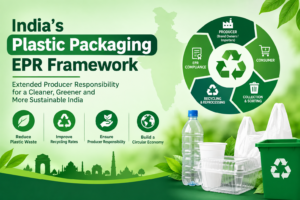
The era of ignoring plastic waste regulations is officially over. If you are running a business in India today, you have likely noticed the shift. The notices from Pollution Control Boards are getting frequent, the fines are getting heavier, and the term “Sustainability” has moved from a marketing buzzword to

In the bustling boardrooms of Bangalore, the manufacturing hubs of Pune, and the corporate towers of Gurugram, a new topic is dominating the conversation. It isn’t just about profit margins or market share anymore; it is about responsibility. Specifically, the responsibility for what happens to your products after they die.

India’s waste management and environmental compliance ecosystem is entering a decisive phase in 2026. With CPCB tightening regulatory oversight and State Pollution Control Boards (SPCBs) increasing enforcement on ground, businesses—especially those operating across multiple states—are facing a new compliance reality. While policies may be national, implementation is increasingly state-driven. This
Copyright © 2026 Kar Parivartan LLP . All Rights Reserved.
WhatsApp us