EPR credits are more than just compliance tokens—they’re powerful tools that enable tyre producers to meet sustainability targets, drive recycling innovation, and build a greener future.
Introduction: Tyre Waste and the Sustainability Imperative
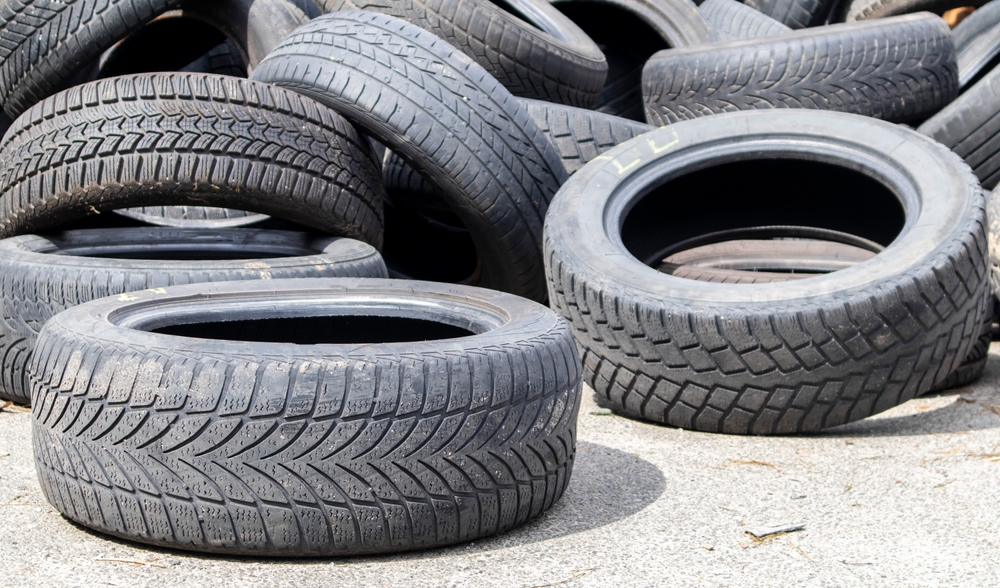
The tyre industry is at the heart of global mobility. From two-wheelers to trucks, tyres make modern transport possible. But with this comes a significant environmental burden: millions of tonnes of end-of-life tyres (ELTs) are generated every year.
Improper disposal—through landfills, open burning, or illegal dumping—causes air pollution, soil contamination, and public health risks. In India, this challenge is being tackled through the Extended Producer Responsibility (EPR) framework, which makes producers accountable for tyre waste collection and recycling.
Central to this framework is the concept of EPR Credits. These credits not only enable compliance but also help tyre producers align with sustainability targets, circular economy goals, and global climate commitments.
What Are EPR Credits in Tyre Waste Management?
EPR Credits are digital certificates that represent proof of recycling or environmentally sound disposal of tyre waste. They are issued by authorized recyclers, once the tyres are collected and processed in compliance with CPCB guidelines.
Each credit equals a specific quantity of recycled tyres, which producers can use to offset their annual compliance obligations under the EPR framework.
Why Are EPR Credits Important for Tyre Producers?
EPR credits bridge the gap between compliance and sustainability. For tyre manufacturers, importers, and brand owners (PIBOs), they provide:
- Proof of Compliance: Meeting EPR obligations set by MoEFCC and CPCB
- Transparency: Digital traceability of tyre waste collection and recycling
- Flexibility: Producers can purchase credits from authorized PROs and recyclers
- Sustainability Alignment: Credits directly contribute to carbon footprint reduction and circular economy goals
👉 Learn more about how Kar Parivartan manages tyre waste under EPR compliance
How Do EPR Credits Work?
Step 1: Collection of Tyre Waste
End-of-life tyres are collected from dealers, retailers, workshops, and consumers. This prevents illegal burning or dumping.
Step 2: Recycling or Recovery
Collected tyres are processed through eco-friendly methods such as:
- Crumb rubber production (used in playgrounds, sports surfaces, and road construction)
- Tyre-derived fuel (TDF) for cement and energy industries
- Pyrolysis to extract oil, gas, and carbon black
- Reuse in road infrastructure
Step 3: Issuance of EPR Credits
Once the tyres are recycled, authorized recyclers/PROs issue EPR credits to producers.
Step 4: Compliance Reporting
Producers submit these credits to CPCB as proof of meeting their annual EPR targets.
EPR Credits and Sustainability Targets
1. Enabling Circular Economy
EPR credits ensure tyres are repurposed into new materials rather than ending up as waste. This supports the circular economy by keeping resources in circulation.
2. Carbon Footprint Reduction
By recycling tyres, producers reduce dependence on virgin rubber and fossil fuels, leading to measurable carbon emission reductions.
3. Supporting SDGs
EPR credits help tyre producers align with:
- SDG 12 (Responsible Consumption & Production)
- SDG 13 (Climate Action)
- SDG 15 (Life on Land)
4. Business Competitiveness
Sustainability is no longer optional—it’s a market differentiator. By achieving EPR compliance through credits, tyre producers build brand credibility and consumer trust.
Roles of Stakeholders in the EPR Credit Ecosystem
1. Producers (Manufacturers, Importers, Brand Owners)
- Register with CPCB for EPR obligations
- Collect or purchase EPR credits to meet annual targets
- Submit compliance reports
2. Recyclers
- Process ELTs through approved methods
- Issue EPR credits based on recycling volumes
- Maintain transparent documentation
3. Producer Responsibility Organizations (PROs)
- Facilitate collection, recycling, and issuance of credits
- Provide producers with digital documentation
- Act as compliance partners ensuring accountability
4. Regulators (CPCB & SPCBs)
- Monitor and verify credit issuance
- Ensure fair trade of EPR credits
- Penalize non-compliance
Global Perspective: How EPR Credits Drive Change
Countries like Germany, Japan, and South Korea have already integrated EPR credits into their circular economy systems. India’s adoption of this mechanism ensures alignment with global best practices, creating opportunities for green trade and investment.
EPR credits also enable Indian tyre producers to demonstrate compliance with global ESG (Environmental, Social, Governance) reporting standards, making them more competitive in international markets.
Benefits of EPR Credits for Tyre Producers
✅ Compliance Made Easy: Simplifies meeting CPCB obligations
✅ Cost-Effective: Provides flexibility in achieving recycling targets
✅ Data Transparency: Digital records ensure credibility
✅ Sustainability Integration: Directly supports climate goals
✅ Job Creation: Strengthens India’s recycling ecosystem
✅ Global Recognition: Enhances ESG performance and reputation
Challenges in EPR Credit Implementation
While EPR credits are transformative, there are challenges:
- Lack of awareness among tyre dealers and small producers
- Need for infrastructure development in recycling plants
- Ensuring authenticity of EPR credits and avoiding fraudulent claims
- Strengthening digital traceability platforms
These challenges, however, present opportunities for innovation and collaboration across stakeholders.
The Future of EPR Credits in Tyre Recycling
The future of EPR credits is promising:
- Blockchain-based credit tracking for transparency
- AI-driven monitoring of waste collection and recycling
- International credit trade mechanisms for cross-border compliance
- Expansion of credits beyond tyres into electronics, plastics, and packaging waste
EPR credits are not just compliance tools—they are the currency of sustainability in the modern economy.
EPR Credits – Driving Sustainability for Tyre Producers
The shift towards Extended Producer Responsibility is reshaping how tyre producers manage waste and meet sustainability targets. EPR credits have emerged as a practical, transparent, and effective mechanism to ensure compliance while advancing circular economy goals.
For tyre producers in India, embracing EPR credits means not just meeting government mandates but also building a future-ready business aligned with global climate commitments.
If you are a tyre producer looking to meet your sustainability targets through EPR credits?
Partner with Kar Parivartan, India’s trusted Producer Responsibility Organization (PRO), to ensure seamless EPR compliance, credit management, and transparent reporting.
👉 Get in touch with Kar Parivartan today and accelerate your sustainability journey.