

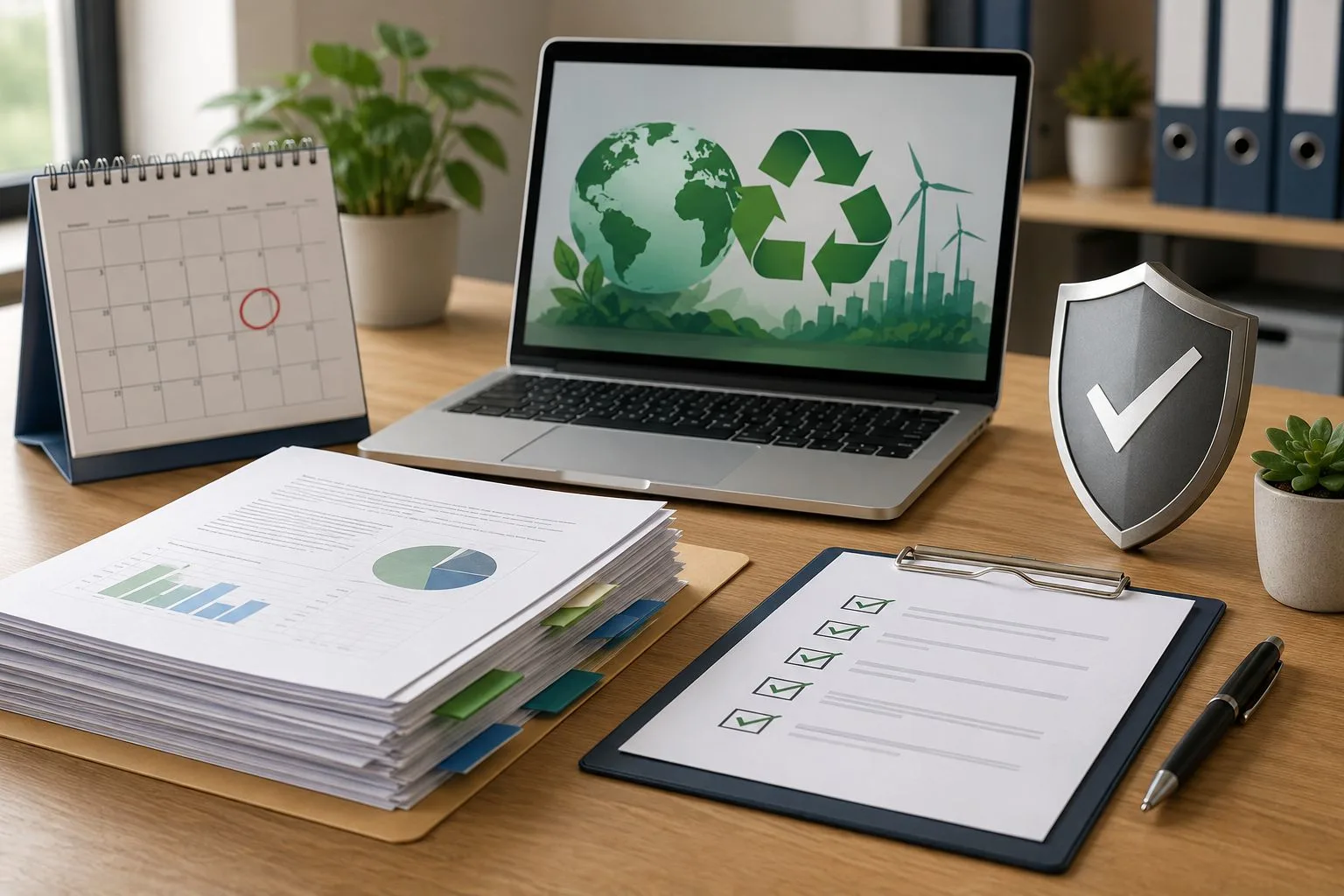
Obtaining an EPR registration is an important step for businesses covered under Extended Producer Responsibility regulations. However, registration alone is not enough. Businesses must also fulfil their ongoing reporting obligations by filing their annual return.
Many companies focus on obtaining an EPR certificate but overlook the importance of timely reporting. Missing filing requirements can lead to compliance issues, notices, and potential penalties.
Regular EPR filing helps authorities track waste management activities and ensures that businesses meet their responsibilities under applicable regulations. It also plays an important role in maintaining proper EPR compliance in India.
Understanding filing deadlines, keeping the right documents ready, and following the correct process can make compliance much easier. In this guide, we explain everything in simple terms and share practical ways to avoid common filing mistakes and stay compliant throughout the year.
What Is EPR Annual Return Filing?
EPR annual return filing is the process of submitting compliance-related information to the concerned authorities for a specific reporting period. It helps demonstrate that a business is meeting its obligations under the EPR framework.
The information submitted may include details on products placed on the market, waste collection activities, recycling records, and other compliance-related data. The exact requirements can vary depending on the category under which a business is registered.
A common misconception is that obtaining an EPR registration completes the compliance process. In reality, registration is only the starting point. Regular EPR filing is necessary to maintain compliance and keep records up to date with the relevant authorities.
Simply put, annual return filing helps show that a business is not only registered but is also fulfilling its ongoing responsibilities.
Who Needs to File EPR Annual Returns?
EPR annual return filing is generally required for businesses subject to applicable EPR regulations and with reporting obligations linked to their registration.
This may include:
- Producers
- Importers
- Brand owners
- Manufacturers covered under EPR frameworks
- Businesses dealing with regulated waste categories
The requirement depends on the nature of the business and the products it brings to market. If a company is responsible for meeting EPR obligations, filing the annual return is usually a key part of maintaining compliance.
Businesses should not assume that obtaining an EPR certificate removes future responsibilities. Ongoing reporting remains an essential part of EPR compliance in India and helps ensure regulatory obligations are met year after year.
Why Annual Filing Is Important for EPR Compliance
Annual filing is more than just a regulatory requirement. It helps businesses demonstrate that they are actively meeting their EPR obligations and maintaining proper records.
Some key benefits of timely filing include:
- Maintains Compliance Status
The process of filing keeps records current and in compliance with regulations.
- Improves Transparency
Government bodies can examine the filing process and monitor compliance with waste management regulations.
- Supports Better Record Management
By filing annually, businesses are encouraged to manage their documents efficiently throughout the year.
- Reduces Compliance Risks
Timely submissions help lower the chances of notices, delays, or other compliance-related issues.
For businesses aiming to maintain strong EPR compliance in India, annual filing should be treated as an important part of their overall compliance strategy.
Documents Commonly Required for EPR Annual Return Filing
Ensuring everything goes smoothly will involve ensuring all necessary paperwork is prepared beforehand. Trying to get everything done at the last minute can result in mistakes and stress.
While requirements may vary, businesses are commonly expected to maintain:
- Registration Information: Basic details linked to the company’s EPR registration and compliance records.
- Sales and Product Data: Information related to products placed in the market during the reporting period.
- Collection and Recycling Records: Details showing how waste collection and recycling obligations have been fulfilled.
- Compliance Certificates and Supporting Documents: Relevant approvals, records, and the applicable EPR certificate are maintained by the business.
- Internal Compliance Reports: Documents that help verify the accuracy of the information being submitted.
Keeping these records organised throughout the year can make EPR filing much simpler and help businesses avoid last-minute challenges.
Understanding EPR Annual Return Deadlines
Filing returns before the deadline is one of the most critical elements when it comes to the annual filing process. It will help organisations remain compliant and reduce any regulatory problems.
It would be better for firms not to wait until the reporting period ends and plan the whole filing process from the start of the year.
A simple approach is to:
- Review compliance timelines regularly
- Keep records updated throughout the year
- Verify data before submission
- Avoid last-minute filing
Timely EPR filing not only reduces stress but also helps ensure that the submitted information is complete and accurate.
Common Mistakes Businesses Make During EPR Filing
Even companies with a compliance program may make errors when filing their return. Most errors occur due to inadequate records keeping and not during the actual process of filing.
Some common mistakes include:
- Submitting incomplete information
- Using incorrect figures in reports
- Missing supporting documents
- Waiting until the filing deadline
- Failing to verify data before submission
Such errors may result in delays, further explanations, or compliance problems. Proper filing procedures and documentation can help companies overcome several such obstacles while complying with the EPR compliance in India.
How to Avoid Penalties and Compliance Issues
Avoiding penalties often comes down to one thing: staying organised throughout the year. Businesses that maintain accurate records and monitor their compliance activities regularly are less likely to face filing-related problems.
A few simple practices can help:
- Keep compliance documents updated
- Maintain accurate sales and waste management records
- Review filing requirements before deadlines
- Double-check information before submission
- Address compliance gaps as early as possible
Taking a proactive approach makes annual reporting easier and helps businesses maintain smooth EPR compliance in India.
The Role of EPR Consulting Services in Simplifying Compliance
Managing registrations, documentation, reporting, and regulatory requirements can be challenging, especially for businesses handling multiple product categories.
This is why many organisations choose EPR consulting services in India to support their compliance efforts.
Professional consultants can assist with:
- Understanding filing requirements
- Organising compliance documents
- Reviewing reporting data
- Managing submission timelines
- Reducing the risk of filing errors
With expert guidance, businesses can focus on their operations while ensuring that their EPR filing obligations are handled efficiently and accurately.
Choosing the Right Support for EPR Compliance
There are many types of compliance requirements. Some companies may require help that extends beyond registration to cover additional aspects such as reporting, documentation, and regulatory changes.
When evaluating compliance support, consider factors such as:
- Experience with different EPR categories
- Knowledge of current regulatory requirements
- Ability to assist with annual filings and documentation
- Ongoing support throughout the compliance cycle
The right guidance can help businesses manage their obligations more efficiently and reduce the risk of avoidable compliance issues.
Staying Compliant Beyond Annual Filing
The annual return filing is essential for compliance, but it should not be treated as a one-time event. Effective compliance starts with keeping accurate records and always being ready for it.
Companies that adopt a proactive approach find themselves in a much better position to handle their reporting and compliance processes.
For organisations looking to simplify this process, Kar Parivartan provides support with EPR registration, annual reporting, documentation management, and ongoing EPR compliance in India. Their expertise helps businesses navigate compliance obligations more effectively while reducing the risk of delays and filing-related challenges.


