

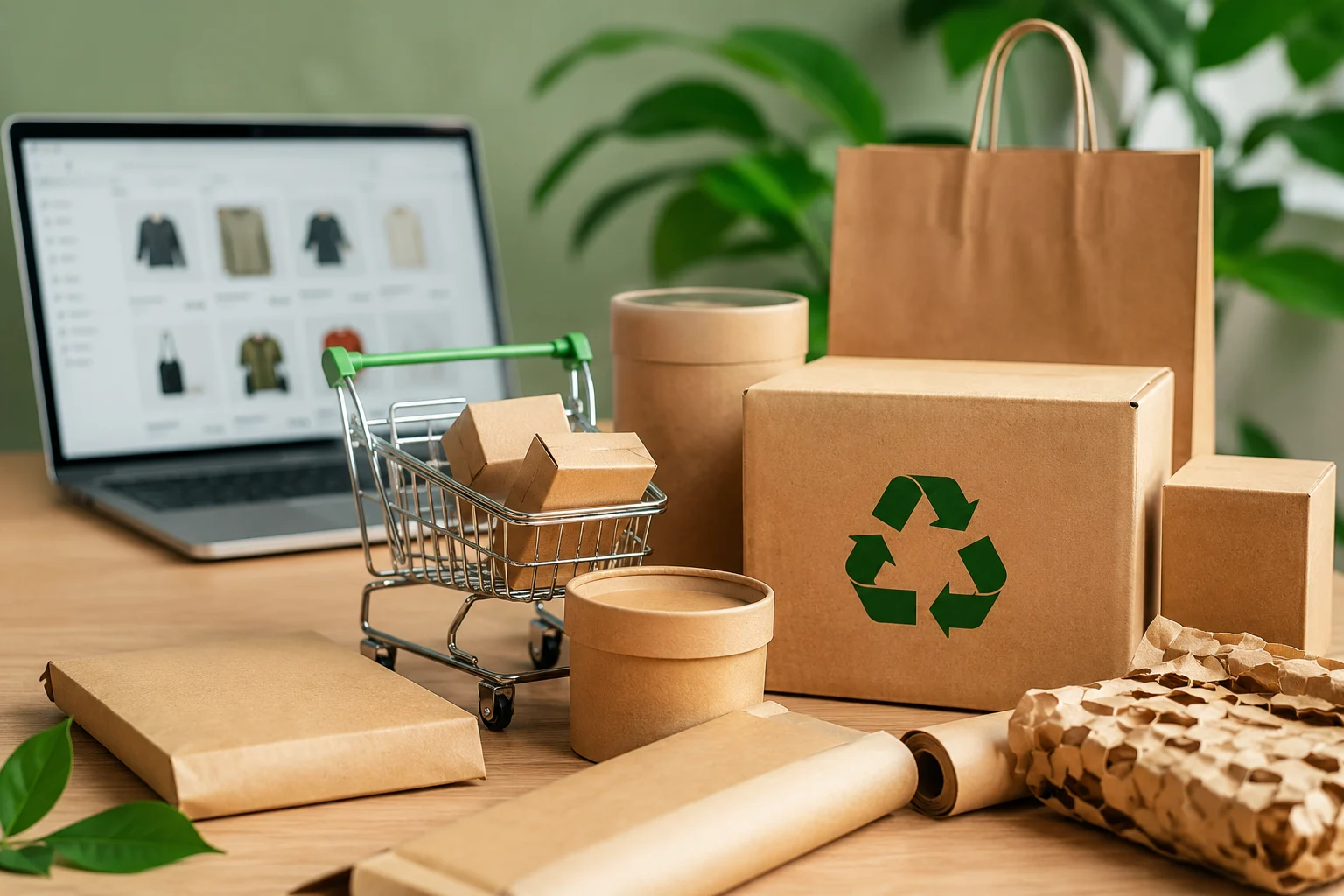
India’s D2C and e-commerce market has grown rapidly. Every day, thousands of products move from warehouses to homes across the country. Along with this growth comes a huge increase in packaging waste.
The government has introduced EPR regulations, holding businesses accountable for the waste generated from their packaging.
Online brands view compliance as essential to responsible business practices, not just a checkbox. Many start D2C EPR registration early to prevent delays and penalties.
This guide explains what packaging producers, D2C brands, and online sellers need to know about EPR compliance in India.
Understanding EPR and Why It Matters for Online Businesses
Extended Producer Responsibility means that producers are responsible for collecting, recycling, or disposing of the packaging waste created by their products.
The rules apply to:
- Brand owners
- Importers
- Manufacturers
- Packaging producers
- Online businesses with private labels
- D2C companies selling directly to consumers
Many businesses start by completing the CPCB EPR registration online to ensure their operations comply with government requirements.
Companies that fail to comply may face penalties, restrictions, or operational issues. On the other hand, businesses that plan early often manage compliance with less effort and lower costs.
Many organizations hire an EPR consultant to stay updated on regulations and keep proper records year-round.
Which E-Commerce Businesses Need EPR Compliance?
Not every online business works in the same way. However, many still fall under EPR regulations because of the packaging they introduce into the market.
| Business Type | EPR Responsibility |
| D2C brands | Registration, reporting, recycling targets |
| Private label sellers | Packaging waste management |
| Importers | Compliance for imported packaged goods |
| Packaging manufacturers | Material tracking and reporting |
| Marketplace-owned brands | Full EPR obligations |
Businesses dealing with plastic materials should understand the requirements related to plastic EPR for online sellers from the very beginning.
Several growing brands now seek EPR policy advisory support before launching new products. This helps them build compliance into their business model instead of fixing problems later.
Packaging Materials Included in Indian EPR Regulations
Many individuals believe that EPR pertains solely to plastic bags, but in fact, its scope is much broader. The subsequent packaging materials could be subject to EPR regulations.
- Plastic packaging
- Rigid plastic containers
- Flexible packaging
- Multi-layered materials
- Imported packaging components
Understanding the EPR India requirements for e-commerce packaging helps businesses identify which materials need to be reported and managed.
Keeping clear records of packaging volumes offers several benefits:
- Improved compliance planning
- Simplifies yearly reporting processes.
- Reduced likelihood of penalties.
- Enhanced sustainability initiatives
- Enhanced transparency throughout operations.
Companies that delay D2C EPR registration often struggle to gather accurate packaging data later. Starting early ensures a smoother process.
Many organisations also rely on an experienced EPR authorization consultant in India to review packaging categories and documentation requirements.
A Practical Roadmap for EPR Compliance
Compliance becomes easier when businesses follow a structured process.
1. Complete Registration
The first step is to register with the CPCB EPR online through the appropriate government portal. Companies should provide their business information, details about their packaging, and upload the required supporting documents.
2. Understand Applicable Targets
Different businesses have different obligations. Annual recycling targets depend on the amount and type of packaging introduced into the market.
3. Maintain Proper Documentation
Important records include:
- Packaging quantity reports
- Sales data
- Recycler agreements
- Collection certificates
- Annual compliance reports
Timely EPR filing helps organisations avoid last-minute complications.
4. Work with Authorised Partners
Businesses must only use approved recyclers and waste processors to follow waste management rules.
5. Build Long-Term Systems
Getting expert advice on EPR policies can help companies build systems that support long-term growth rather than just immediate needs.
An experienced EPR consultant often assists businesses in creating sustainable compliance frameworks.
Common Mistakes D2C Brands Should Avoid
Many companies make avoidable errors while managing EPR responsibilities.
Some of the most common mistakes include:
- Delaying registrations until business operations expand
- Maintaining incomplete packaging records
- Missing annual deadlines for EPR filing
- Assuming marketplace platforms handle all compliance needs
- Ignoring future regulatory changes
Businesses engaged in plastic EPR for online sellers should carefully consider packaging classifications and recycling responsibilities.
Another challenge is obtaining the correct EPR Licence at the right time. Delays in approvals may affect operational planning and reporting schedules.
Working with an EPR authorization consultant in India helps businesses find compliance issues early.
How Smart EPR Planning Supports Business Growth
EPR should not be viewed only as a legal requirement. It can also support long-term business development.
Responsible packaging practices offer several advantages:
- Stronger customer trust
- Better environmental performance
- Improved brand reputation
- Easier expansion into new markets
- Lower compliance risks
Understanding EPR India rules on e-commerce packaging helps companies design packaging that works well and is eco-friendly. Registering early for D2C EPR gives companies more options to launch new products or grow in different areas.
Regular updates and reviews of CPCB EPR registration online help businesses stay current with evolving rules. As companies expand, many work with EPR consultants to navigate increasing compliance complexities.
Developing an Effective Compliance Framework
Creating an effective EPR strategy involves thoughtful planning, collaboration, and clearly defined responsibilities.
A strong framework often includes:
- Regular packaging audits
- Internal compliance reviews
- Scheduled EPR filing activities
- Partnerships with authorised recyclers
- Ongoing employee awareness programs
An experienced EPR authorization consultant in India can assist organizations in staying informed about policy updates and finding practical solutions.
Obtaining and maintaining an EPR Licence is part of overall business management, not just a standalone requirement. Brands overseeing plastic EPR for online sellers must monitor increasing packaging volumes.
Fostering Responsible Growth Through EPR Compliance
EPR compliance is now a main responsibility for D2C brands, online sellers, and packaging producers in India. Addressing these duties early helps companies avoid problems and build stronger systems.
Whether it involves CPCB EPR registration online, regular EPR filing, or managing e-commerce packaging EPR in India, proactive planning can make the process significantly easier. Responsible packaging practices also build customer trust and help achieve long-term sustainability goals.
Kar Parivartan helps businesses understand and follow environmental rules with easy guidance and practical solutions. They specialize in EPR policy advice, D2C EPR registration, and EPR license requirements, helping organizations manage their duties confidently and clearly.
Start now to develop a packaging strategy that ensures compliance and promotes sustainable growth.


