

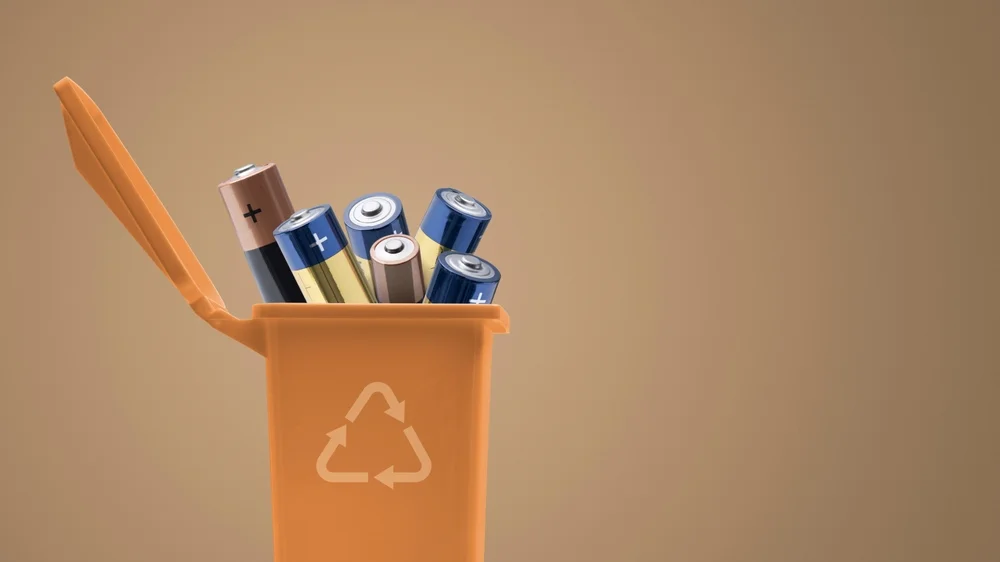
Imagine a world without batteries. No smartphones, no laptops, and certainly no electric vehicles (EVs). Batteries are the silent heartbeat of our modern, wireless lives. But have you ever paused to wonder: What happens when that heartbeat stops?
For decades, dead batteries in India often ended up in landfills, leaching toxic chemicals into our soil and water, or were handled by the informal sector under unsafe conditions. But the narrative is changing. With the introduction of the Battery Waste Management Rules 2022, India has taken a giant leap from a linear “use-and-throw” economy to a circular one.
The Dawn of a New Era: Battery Waste Management Rules 2022
The Ministry of Environment, Forest and Climate Change (MoEFCC) notified the Battery Waste Management Rules 2022 on August 24, 2022. These new rules replaced the old Batteries Rules from 2001.
Why was this update necessary? The 2001 rules primarily focused on Lead-Acid batteries. They were ill-equipped to handle the explosion of Lithium-ion batteries driving the EV revolution or the button cells powering our gadgets. The 2022 rules are comprehensive, covering all types of batteries regardless of their chemistry, shape, volume, weight, material composition, or use.
Scope of the New Rules
The rules classify batteries into four broad categories, ensuring no battery is left behind:
- Electric Vehicle (EV) Batteries: Powering the green mobility shift.
- Portable Batteries: Smartphone, laptop, and camera batteries.
- Automotive Batteries: Starter batteries for vehicles.
- Industrial Batteries: Used in UPS systems, solar grids, and heavy machinery.
Deciphering EPR Compliance for Batteries
At the core of the new regulations is the concept of Extended Producer Responsibility (EPR). If you manufacture or import a battery, your responsibility doesn’t end once the product is sold. You are accountable for its entire lifecycle, especially its end-of-life management.
Who is a “Producer”?
Under the battery waste management framework, a “Producer” isn’t just the factory making the cell. The definition includes:
- Manufacturers of batteries.
- Importers of batteries or equipment containing batteries.
- Assemblers of battery packs.
- Brand Owners who sell batteries under their own label.
Key Producer Responsibilities
To ensure EPR compliance for batteries, producers must navigate a specific set of duties:
- Registration: Every producer must register with the Central Pollution Control Board (CPCB) via a centralized online portal. This digital-first approach ensures transparency and traceability.
- EPR Targets: The government has set ambitious collection targets.
- Prohibition on Disposal: Producers cannot simply send collected batteries to landfills or incinerators. They must be sent for recycling or refurbishment.
- Material Recovery: It is not enough to just recycle; the recycling process must be efficient. The rules mandate a minimum percentage of recovery for materials like Lead, Nickel, Cobalt, and Lithium.
The Mechanism of Battery Waste EPR Certificates
One of the most innovative aspects of the Battery Waste Management Rules 2022 is the introduction of a market-based mechanism.
Producers fulfill their obligations by purchasing battery waste EPR certificates from registered recyclers.
- The Process: When a recycler processes waste batteries and recovers materials (like Lithium or Cobalt), they generate EPR certificates on the CPCB portal.
- The Exchange: Producers buy these certificates to prove they have met their targets.
- The Benefit: This creates a financial incentive for recycling. It turns “waste” into a commodity, encouraging the setup of high-tech recycling plants in India.
This system mirrors carbon credits, effectively putting a price on pollution and rewarding sustainability.
Challenges in the Current Ecosystem
While the Battery Waste Management Rules 2022 are a robust policy framework, implementation faces hurdles on the ground.
1. The Informal Sector Dominance
A large portion of battery waste (especially lead-acid) is still funneled into the informal sector. Backyard smelters often break down batteries without safety gear, causing severe lead poisoning and air pollution. Bringing these players into the formal fold is a massive challenge.
2. Collection Logistics
Unlike large industrial batteries, portable batteries (like AA cells or phone batteries) are scattered across millions of households. Establishing a reverse logistics chain to collect these tiny items is expensive and logistically complex.
3. Safety Risks
Waste Lithium-ion batteries are fire hazards. If damaged during collection or transport, they can lead to thermal runaway events. The logistics infrastructure needs to be upgraded to handle these “dangerous goods” safely.
Making Battery Waste EPR Successful: Actionable Solutions
For Producers and Brand Owners
- Collaborate, Don’t Compete: Form Producer Responsibility Organizations (PROs). By pooling resources, companies can set up shared collection points in malls, residential societies, and offices, lowering the cost of logistics.
- Design for Recycling: Shift towards “Eco-Design.” Manufacture battery packs that are easy to dismantle. If a recycler has to spend hours breaking open a glued battery pack, the cost of recycling goes up.
- Digitize Inventory: Use the CPCB portal effectively to track every batch of batteries sold. Accurate data is the first step toward compliance.
For Consumers (You and Me)
- The ‘Red Bin’ Habit: Keep a separate small bin or box at home exclusively for dead batteries and e-waste. Never mix them with wet waste.
- Deposit Schemes: Look for brands that offer “Deposit Refund Schemes” (DRS). Many EV companies now offer cash back when you return the old battery.
- Spread Awareness: Tell your family why that AA battery shouldn’t go in the main trash. Small ripples create big waves.
The Future: India as a Global Recycling Hub
The implementation of the Battery Waste Management Rules 2022 is not just about cleaning up waste; it is a strategic economic move. India has limited natural reserves of Lithium and Cobalt. By effectively recycling battery waste, we can reduce our dependency on imports, secure our energy future, and achieve our Net Zero goals.
Final Thoughts: Partner with Kar Parivartan
The transition from a linear to a circular battery economy is ambitious, but it is the only way forward. The rules are set, the targets are defined, and the technology is evolving. Now, it is up to the “Producers” to comply and the “Consumers” to participate.
At Kar Parivartan, we believe that compliance is not a burden but an opportunity. We assist producers, importers, and brand owners in navigating the complex landscape of EPR registration, target fulfillment, and certificate management.
Get in touch with us today:


