


EPR (Extended Producer Responsibility) compliance applies to businesses dealing with plastic waste, e-waste, tyres, batteries, and packaging materials. Producers, importers, and brand owners must ensure that they not only manage their waste responsibly but also document, file, and report their actions as per CPCB guidelines. The challenge?For many organizations, the path to full compliance is confusing, time-consuming, and resource-heavy. From preparing documents to sourcing authentic credits, from quarterly filings to facing audits — businesses often find themselves struggling with multiple vendors, consultants, and scattered processes. That’s where Kar Parivartan brings in a smarter solution — the Source-to-Pay (S2P) model that simplifies the entire compliance cycle. The Complexity of EPR Compliance Before we explore the solution, let’s quickly understand why businesses find EPR compliance so overwhelming: Clearly, the journey involves multiple moving parts, making it prone to errors and inefficiencies. Introducing Kar Parivartan’s Source-to-Pay (S2P) Model At Kar Parivartan, we believe compliance should not be a burden. That’s why we’ve developed the Source-to-Pay integrated model — a single-window solution that takes care of every stage of the compliance process. Instead of businesses coordinating with multiple vendors, recyclers, and consultants, our team manages the end-to-end cycle with efficiency and transparency. Key Benefits of the S2P Model: Learn more about our EPR Services → EPR Registration: Getting Started the Right Way For any business, the first step in the compliance journey is EPR registration. Many organizations face unnecessary delays simply because of documentation errors or incomplete submissions. At Kar Parivartan, we simplify the registration process by providing: With us, EPR registration becomes a smooth, hassle-free experience — giving you a strong foundation for future compliance. Smooth & Timely EPR Filing Filing is one of the most critical aspects of EPR compliance. The CPCB requires businesses to submit quarterly and annual filings to track progress against recycling obligations. Missing a filing deadline can damage brand credibility and even result in penalties. Kar Parivartan’s filing support ensures: By outsourcing this responsibility to us, businesses gain peace of mind knowing that compliance obligations are always met without stress. Transparent & Reliable EPR Credits One of the most challenging parts of EPR compliance is credit procurement. Businesses need to procure credits that represent the collection and recycling of waste equivalent to their obligation. But the market is full of unreliable players, making it risky to depend on unverified sources. Kar Parivartan eliminates this risk through: This transparency allows businesses to make informed decisions while staying compliant. Compliance Without the Stress The biggest value we bring is peace of mind. With our Source-to-Pay model, businesses don’t have to worry about juggling multiple partners or struggling with last-minute compliance. Our clients enjoy: This allows businesses to focus on growth while we handle compliance behind the scenes. Why Choose Kar Parivartan? We’re more than just a service provider — we’re a compliance partner. Here’s why businesses trust us: Conclusion: Making EPR Easy EPR compliance doesn’t have to be overwhelming. With Kar Parivartan’s Source-to-Pay model, businesses can achieve seamless, transparent, and cost-effective compliance while contributing to a greener tomorrow. 📞 Would you be open to a quick call this week to explore how Kar Parivartan can simplify your EPR process? 👉 Contact us today →
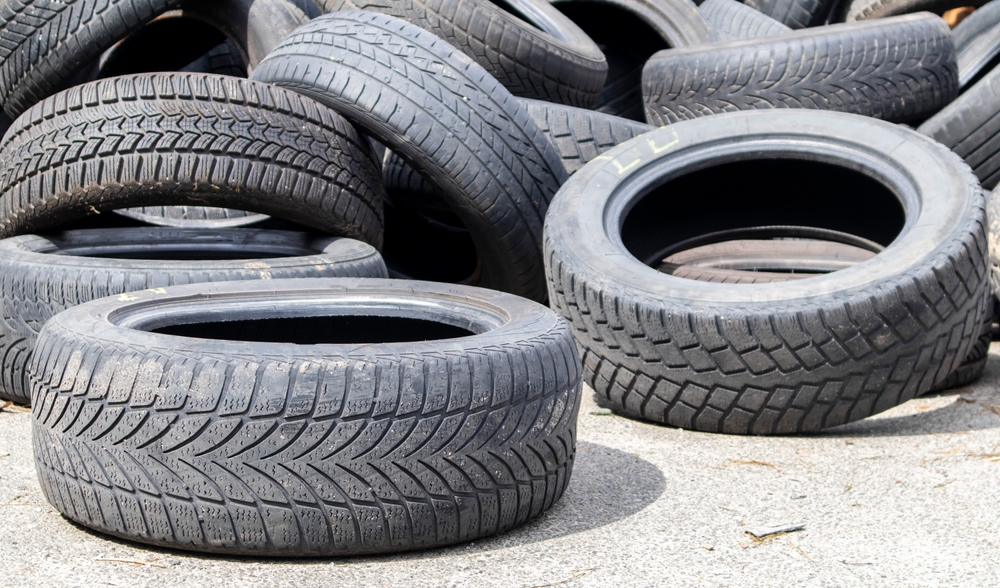
EPR Credits: Helping Tyre Producers Achieve Sustainability Goals
EPR credits are more than just compliance tokens—they’re powerful tools that enable tyre producers to meet sustainability targets, drive recycling innovation, and build a greener future. Introduction: Tyre Waste and the Sustainability Imperative The tyre industry is at the heart of global mobility. From two-wheelers to trucks, tyres make modern transport possible. But with this comes a significant environmental burden: millions of tonnes of end-of-life tyres (ELTs) are generated every year. Improper disposal—through landfills, open burning, or illegal dumping—causes air pollution, soil contamination, and public health risks. In India, this challenge is being tackled through the Extended Producer Responsibility (EPR) framework, which makes producers accountable for tyre waste collection and recycling. Central to this framework is the concept of EPR Credits. These credits not only enable compliance but also help tyre producers align with sustainability targets, circular economy goals, and global climate commitments. What Are EPR Credits in Tyre Waste Management? EPR Credits are digital certificates that represent proof of recycling or environmentally sound disposal of tyre waste. They are issued by authorized recyclers, once the tyres are collected and processed in compliance with CPCB guidelines. Each credit equals a specific quantity of recycled tyres, which producers can use to offset their annual compliance obligations under the EPR framework. Why Are EPR Credits Important for Tyre Producers? EPR credits bridge the gap between compliance and sustainability. For tyre manufacturers, importers, and brand owners (PIBOs), they provide: 👉 Learn more about how Kar Parivartan manages tyre waste under EPR compliance How Do EPR Credits Work? Step 1: Collection of Tyre Waste End-of-life tyres are collected from dealers, retailers, workshops, and consumers. This prevents illegal burning or dumping. Step 2: Recycling or Recovery Collected tyres are processed through eco-friendly methods such as: Step 3: Issuance of EPR Credits Once the tyres are recycled, authorized recyclers/PROs issue EPR credits to producers. Step 4: Compliance Reporting Producers submit these credits to CPCB as proof of meeting their annual EPR targets. EPR Credits and Sustainability Targets 1. Enabling Circular Economy EPR credits ensure tyres are repurposed into new materials rather than ending up as waste. This supports the circular economy by keeping resources in circulation. 2. Carbon Footprint Reduction By recycling tyres, producers reduce dependence on virgin rubber and fossil fuels, leading to measurable carbon emission reductions. 3. Supporting SDGs EPR credits help tyre producers align with: 4. Business Competitiveness Sustainability is no longer optional—it’s a market differentiator. By achieving EPR compliance through credits, tyre producers build brand credibility and consumer trust. Roles of Stakeholders in the EPR Credit Ecosystem 1. Producers (Manufacturers, Importers, Brand Owners) 2. Recyclers 3. Producer Responsibility Organizations (PROs) 4. Regulators (CPCB & SPCBs) Global Perspective: How EPR Credits Drive Change Countries like Germany, Japan, and South Korea have already integrated EPR credits into their circular economy systems. India’s adoption of this mechanism ensures alignment with global best practices, creating opportunities for green trade and investment. EPR credits also enable Indian tyre producers to demonstrate compliance with global ESG (Environmental, Social, Governance) reporting standards, making them more competitive in international markets. Benefits of EPR Credits for Tyre Producers ✅ Compliance Made Easy: Simplifies meeting CPCB obligations✅ Cost-Effective: Provides flexibility in achieving recycling targets✅ Data Transparency: Digital records ensure credibility✅ Sustainability Integration: Directly supports climate goals✅ Job Creation: Strengthens India’s recycling ecosystem✅ Global Recognition: Enhances ESG performance and reputation Challenges in EPR Credit Implementation While EPR credits are transformative, there are challenges: These challenges, however, present opportunities for innovation and collaboration across stakeholders. The Future of EPR Credits in Tyre Recycling The future of EPR credits is promising: EPR credits are not just compliance tools—they are the currency of sustainability in the modern economy. EPR Credits – Driving Sustainability for Tyre Producers The shift towards Extended Producer Responsibility is reshaping how tyre producers manage waste and meet sustainability targets. EPR credits have emerged as a practical, transparent, and effective mechanism to ensure compliance while advancing circular economy goals. For tyre producers in India, embracing EPR credits means not just meeting government mandates but also building a future-ready business aligned with global climate commitments. If you are a tyre producer looking to meet your sustainability targets through EPR credits?Partner with Kar Parivartan, India’s trusted Producer Responsibility Organization (PRO), to ensure seamless EPR compliance, credit management, and transparent reporting. 👉 Get in touch with Kar Parivartan today and accelerate your sustainability journey.
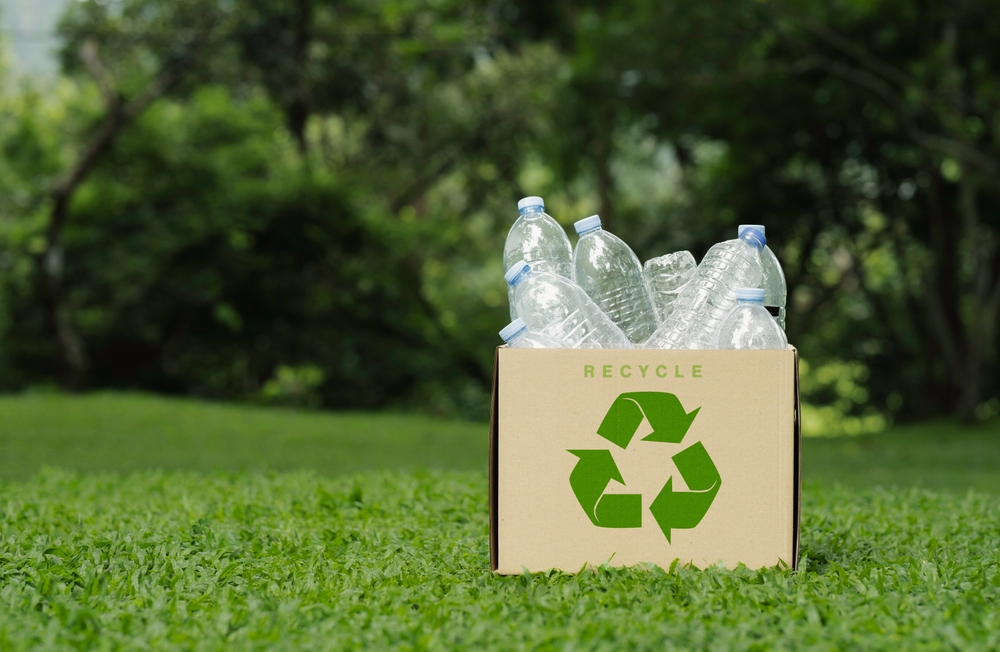
Beyond Plastics: Expanding the EPR Universe in India 2025
In India, the example of Extended Producer Responsibility (EPR) has long been synonymous with plastic waste management. But as we move deeper into 2025, the EPR landscape is shifting. New draft rules are pushing the regulatory boundary beyond plastics to include paper, glass, metal, and sanitary waste. For businesses, this means that your Source-to-Pay compliance strategy has to evolve. This write up explores the emerging regulations, implications for various stakeholders, and a blueprint for proactive preparation. Why does the EPR expansion matter? The limitations of plastic-only EPR till now For years, India’s EPR regime has primarily addressed plastic packaging waste under the Plastic Waste Management Rules, 2016 (amended). Under that framework, brand owners and producers needed to ensure collection, recycling, and end-of-life treatment of plastic packaging. While this was a crucial first step, many material streams remained outside its scope. But plastic is only one dimension of material pollution. Packaging made of paper, glass, metal, and products like sanitary napkins/diapers also generate huge volumes of waste. Leaving them unregulated creates blind spots in India’s circular economy goals. What the new draft rules propose Recent government drafts (Environment Protection (Extended Producer Responsibility for Packaging made from Paper, Glass and Metal as well as Sanitary Products) Rules, 2024) propose extending EPR to cover: Among the key provisions: Thus, as of 2025, businesses have a runway of time to prepare, but the clock is ticking. How this EPR expansion impacts your Source-to-Pay journey This expansion marks a shift in how businesses must think about their procurement, production, packaging, and waste management flows. Below is a roadmap of the changes and what to anticipate. Upstream (Source) impacts Midstream (Pay / Process) adjustments Downstream (Pay) / Compliance & Risk Best practices & a proactive roadmap If your business is preparing for this expanded EPR regime, here’s a suggested roadmap with recommended actions: Phase 1 (2025 – today) Phase 2 (2025 late → early 2026) Phase 3 (2026 onward) Challenges, risks & mitigation strategies Challenge Risk Mitigation / Strategy Infrastructure gaps in recycling & processing In many regions, authorized recyclers / incinerators may not be available for glass or sanitary waste Prioritize partnerships in your zones, invest in or co-develop infrastructure Data & traceability complexity Discrepancies in data may lead to noncompliance Standardize data systems, use audits, blockchain or traceability tools High cost of EPR certificates or deficits If you can’t meet targets organically, you may have to purchase credits Budget buffer, early surplus generation, trade credits Regulatory ambiguity or delays The draft rules may change, or guidelines may evolve Stay updated, participate in stakeholder consultations, build flexibility Multi-state compliance & registration complexity Businesses spanning multiple states must manage multiple SPCB / CPCB interfaces Centralized compliance team, legal support, mapping of jurisdictional rules The strategic advantage of early action Getting ahead now yields multiple benefits: 2025 represents a turning point in India’s EPR journey. Plastic EPR laid the foundation, but the expanding universe of regulated waste materials (paper, glass, metal, sanitary) will reshape how businesses view packaging, sourcing, design, and waste management. The shift demands that your Source-to-Pay strategy evolve into a holistic compliance engine — not a mere add-on. At Kar Parivartan, we specialize in guiding businesses through this transformation — from gap assessments and packaging redesign to registration, data systems, and credit trading. If you want help preparing your roadmap or auditing your readiness, we’re ready to partner. Let’s move Beyond Plastics together.

EPR for Tyres: Driving India’s Mobility Sector Toward a Greener Future
Tyre Waste – The Hidden Environmental Challenge Tyres are among the most widely used products in the global mobility ecosystem. From cars and trucks to two-wheelers and buses, they power every movement we make. Yet, managing end-of-life tyres (ELTs) remains a mounting environmental issue. Every year, millions of tonnes of tyres reach their disposal stage. Most end up in landfills or are illegally burned, leading to severe air pollution, soil degradation, and health hazards. Burning tyres releases toxic gases such as carbon monoxide, sulfur oxides, and volatile organic compounds, all contributing to climate change and respiratory diseases. To tackle this growing problem, India has introduced the Extended Producer Responsibility (EPR) framework for tyre waste. This initiative holds producers accountable for tyre collection, recycling, and environmentally sound disposal. Beyond just a compliance requirement, EPR for Tyre Waste is emerging as a powerful lever for circular economy transformation in India. What is EPR in Tyre Waste Management? Understanding Extended Producer Responsibility (EPR) Extended Producer Responsibility (EPR) is a globally recognized policy framework that shifts the responsibility of post-consumer waste management from consumers and governments to manufacturers, importers, and brand owners (PIBOs). In the context of tyre waste management, EPR mandates that tyre producers ensure the collection, recycling, and environmentally safe disposal of used tyres in compliance with the Central Pollution Control Board (CPCB) guidelines. Objectives of Tyre Waste EPR EPR for tyres is designed not only to manage waste but also to drive sustainable business growth and resource efficiency. The key objectives include: 👉 Learn how Kar Parivartan supports EPR implementation for tyre producers EPR and the Circular Economy in Tyre Waste How EPR Powers Circular Economy Principles The circular economy envisions a system where products are designed, used, and recycled to keep materials in use for as long as possible. In this model, waste is minimized, and value is continuously regenerated. EPR for Tyre Waste is a crucial pillar supporting this transition in India’s waste management landscape. 1. Collection & Take-Back EPR ensures that used tyres are systematically collected from dealers, workshops, and users, reducing instances of illegal dumping or open burning. 2. Recycling & Recovery Collected tyres are recycled into crumb rubber, used as Tyre-Derived Fuel (TDF), or repurposed for road construction and other innovative applications. 3. Reduced Dependence on Virgin Materials By recycling tyres, industries can significantly cut down on the need for virgin rubber and other raw materials, conserving energy and reducing carbon emissions. 4. Data-Driven Compliance EPR mandates transparent digital tracking of collection and recycling activities, promoting accountability and enabling evidence-based decision-making. Will explore how EPR credits help tyre producers achieve sustainability targets in our next article. Roles of Stakeholders in Tyre Waste EPR 1. Producers / Manufacturers / Importers Producers are the primary custodians under the EPR framework. Their responsibilities include: 2. Consumers / End Users Consumers play a vital role by ensuring that end-of-life tyres are returned to authorized collection centers instead of being dumped or burned. Supporting brands committed to sustainable EPR practices also drives industry-wide change. 3. Recyclers Recyclers bridge the gap between waste and resource recovery. Their duties include: 4. Producer Responsibility Organizations (PROs) PROs are professional intermediaries that help producers fulfill their EPR commitments efficiently. They: 5. Regulators (CPCB & SPCBs) The Ministry of Environment, Forest and Climate Change (MoEFCC) and CPCB play the key governance roles by: Benefits of Tyre Waste EPR Implementing the EPR framework for tyre waste delivers multiple environmental, social, and economic benefits: ✅ Reduced Carbon Footprint & Landfill Waste: Diverting tyres from landfills lowers greenhouse gas emissions and prevents soil contamination. ✅ Promotion of Green Jobs: Tyre recycling supports new employment in collection, sorting, logistics, and recycling industries. ✅ Support for India’s Net Zero & SDG Goals: EPR aligns perfectly with India’s Sustainable Development Goals (SDGs) and Net Zero 2070 target by fostering responsible production and consumption. ✅ Enhanced Resource Efficiency: Recycling helps recover valuable materials and energy, supporting a closed-loop economy. EPR – A Roadmap to a Sustainable Tyre Ecosystem The EPR for Tyre Waste framework is far more than a compliance checkbox—it is a transformational tool enabling India’s journey toward a sustainable, circular economy. By making producers responsible for post-consumer tyre management, EPR ensures that tyres are viewed not as waste but as a renewable resource. This system connects every stakeholder—manufacturers, recyclers, consumers, and regulators—into a unified mission: to turn tyre waste into opportunity. Ready to drive your sustainability goals forward?Join hands with Kar Parivartan, to manage your EPR compliance for tyres seamlessly and responsibly. 👉 Contact Kar Parivartan today and be part of India’s circular economy revolution!

Why Proper Plastic, Battery & Tyre Disposal Matters for You & Planet
Purpose: “From microplastics to soil contamination, the ripple effects of mismanaged waste reach far beyond the bins. Understand the risks and your role in prevention.” Waste is more than what meets the eye In India, waste management is no longer a back-end operational detail; it’s at the heart of sustainability, compliance, and even profitability. We often think of waste as “out of sight, out of mind,” but improper disposal of plastic, battery, and tyre waste can create long-lasting environmental and health crises. The Government of India has already rolled out Extended Producer Responsibility (EPR) frameworks for these waste streams, holding producers, brand owners, and importers accountable. For businesses and individuals alike, understanding the impact of mismanaged waste — and the benefits of proper disposal — is critical. The reality of plastic waste in India Plastic waste crisis at a glance India generates more than 3.5 million tonnes of plastic waste annually. Despite the Plastic Waste Management Rules, a large portion ends up in landfills, rivers, or incinerated illegally. The real danger lies in: Plastic EPR & compliance The Plastic Waste Management (PWM) Rules, 2016 (amended in 2022) enforce EPR for plastic packaging. Producers and brand owners are responsible for collection, recycling, and end-of-life treatment of their plastic products. Businesses must: Proper plastic disposal isn’t just about the planet — it’s about avoiding heavy environmental compensation penalties. Why battery waste is more toxic than you think The hidden dangers of used batteries Batteries power everything from toys to electric vehicles. But once discarded, they become toxic bombs: Improper battery disposal often happens in informal recycling sectors, where workers dismantle batteries without safety gear — a double threat to people and the environment. EPR for batteries in India The Battery Waste Management Rules, 2022 mandate Extended Producer Responsibility for battery manufacturers and importers. Obligations include: From lithium-ion EV batteries to single-use alkaline batteries, businesses are legally bound to ensure they’re recycled through authorized facilities. Tyre waste — a growing challenge What happens to end-of-life tyres? India generates more than 6.5 crore waste tyres annually. Unfortunately, most are: Tyre EPR and circular economy opportunities Under the Hazardous Waste Management Rules (2022 amendments), waste tyres are now part of the EPR regime. Obligations include: When handled correctly, tyres can be transformed into: This turns a liability into a circular economy opportunity. The Source-to-Pay perspective For Kar Parivartan, waste management isn’t an isolated activity. It’s part of a Source-to-Pay (S2P) compliance journey: Building waste management into S2P ensures efficiency, compliance, and reputation management. Why proper disposal matters — the ripple effects Environmental impact Health impact Economic impact Best practices for businesses and individuals For businesses For individuals The journey from waste to resource is the future of India’s sustainability. Proper disposal of plastics, batteries, and tyres can: The way forward – towards a circular India Waste is our responsibility too Improper disposal of plastic, battery, and tyre waste has consequences that ripple far beyond a landfill. The EPR framework in India is a reminder that businesses and citizens must take responsibility. Proper disposal is not just an environmental duty; it’s a legal, financial, and moral obligation. At Kar Parivartan, we partner with industries to manage their end-to-end EPR compliance — from audits and registrations to recycling and reporting. Together, we can turn waste into an opportunity for transformation.

How Kar Parivartan Empowers PIBOs to Simplify and Scale EPR Compliance
What Is EPR and Why Is It Crucial for PIBOs Today? Understanding Extended Producer Responsibility Extended Producer Responsibility (EPR) is a regulatory framework that holds Producers, Importers, and Brand Owners (PIBOs) accountable for the end-of-life management of the products they place in the market. This includes proper collection, recycling, and disposal, especially of plastic, e-waste, battery, tyre, and used oil waste. Rising Compliance Pressure on PIBOs With strict CPCB guidelines and digitized tracking mechanisms in place, non-compliance can lead to heavy penalties, cancellation of licenses, and brand reputation risks. This makes it essential for PIBOs to not only comply—but to do it efficiently. Kar Parivartan – India’s Leading EPR Compliance Partner Who We Are Kar Parivartan is a leading EPR and sustainability solution provider that helps PIBOs across India manage compliance across multiple waste categories. From registration to reporting, we handle everything—transparently and efficiently. Our services include: We handle complete EPR registration for the following waste streams: Our team ensures accurate documentation and timely portal submissions so you can focus on your core business while we take care of your environmental compliance. Through our wide network of authorized collectors, aggregators, and recyclers, we ensure traceable and compliant collection of waste. We help you fulfill your EPR obligations by matching you with CPCB-approved partners across the country—minimizing your operational burden. This real-time visibility ensures transparency and simplifies reporting. We manage all your statutory annual and quarterly report filings with CPCB/SPCBs, including documentation, formatting, validation, and timely submission—ensuring zero non-compliance risk and audit readiness. From sourcing certified recyclers to procuring and verifying recycling certificates, we manage the entire process. Every certificate is authenticated, traceable, and linked to your obligations—so your compliance is always verifiable and future-ready. 5 Key Impact Areas Where Kar Parivartan Delivers Value to PIBOs Time Efficiency Faster registration and streamlined processes We eliminate back-and-forth and bureaucracy. Our team manages your CPCB registration, documentation, and target mapping—ensuring you’re live and compliant within deadlines. For PIBOs juggling multiple SKUs and geographies, this saves weeks of admin effort. Operational Simplicity One team, one process, zero hassle Kar Parivartan handles EPR end-to-end—from onboarding recyclers to filing reports and managing digital certificates. This reduces the need for internal teams, multiple vendor coordination, or technical know-how. Your brand focuses on growth, while we manage compliance. Cost Optimization Shared services model = lower cost Through economies of scale and our pre-vetted partner network, we reduce costs associated with collection, recycling, and reporting. We provide flexible plans suited for startups to large enterprises, ensuring compliance doesn’t eat into your margins. Transparency Real-time and verified reporting With Kar Parivartan, you can track waste movement, certificate validation, and filing status in real-time. All transactions are traceable, auditable, and CPCB-aligned—ensuring 100% accountability. Sustainability Supporting eco-friendly recycling and traceability Kar Parivartan is more than a compliance manager—it’s a sustainability partner. We only work with authorized recyclers following environmentally sound disposal methods. This supports your brand’s green goals and strengthens ESG performance. How Kar Parivartan Compares to Managing EPR In-House Criteria In-House Management Kar Parivartan Registration Time Can be time Taking 5–7 working days Vendor Coordination Multiple agencies Single point of contact Filing Errors Risk Could be high Extremely low Cost High (internal + external) Optimized through shared network EPR Certificates Manual tracking Digital tracking and reminders Scalability Challenging Seamless across India Frequently Asked Questions (FAQ) Q1. What waste categories does Kar Parivartan support under EPR? We support plastic, e-waste, battery, tyre, and used oil EPR compliance. Q2. How do I know my brand is EPR compliant? We offer a real-time dashboard to track your registration, certificate acquisition, and filings as per CPCB norms. Q3. Can Kar Parivartan help with EPR for imported products? Yes, we assist importers in fulfilling compliance obligations including reverse logistics and disposal. Q4. Do I need different vendors for each waste type? No. We provide one-window service for all waste categories under a unified system. Q5. What if I’ve already missed an EPR deadline? Contact us. Our compliance specialists will assess your current status and help you regularize filings and avoid penalties. Let’s Make Your EPR Simple and Scalable Get in touch with Kar Parivartan today. Whether you’re a startup launching your first plastic-wrapped product or an established brand managing thousands of battery units, our team will help you navigate the EPR landscape with confidence. Making EPR Compliance Work for Your Growth Kar Parivartan has transformed EPR into a simple, scalable, and transparent process for Indian brands. By removing compliance bottlenecks and offering full-spectrum services under one roof, we empower PIBOs to focus on what they do best—building their business—while we ensure they meet their environmental responsibilities with integrity and ease.
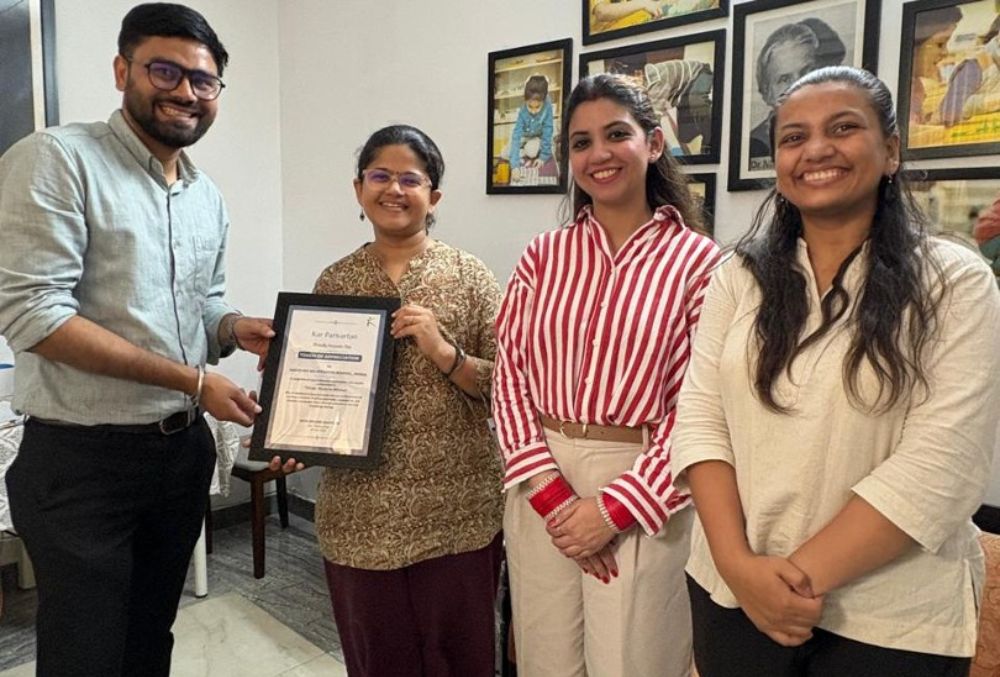
Awareness Session on Waste Management and Circular Economy
On 28th July 2025, Team Kar Parivartan conducted an engaging Awareness Session on Waste Management and Circular Economy at Sketches Montessori School Noida under the Vikalp: Waste to Wisdom initiative. The session featured a fun quiz, “Kaun Banega The New Millenior,” and inspiring stories of young Parivartan Champions in waste entrepreneurship. Led by Aman Y., Pradnya Kurdukar, and Mahima Kapoor, the event sparked curiosity and responsibility among students. Kar Parivartan believes that early awareness leads to lasting impact — shaping a generation that thinks circular and leads change.
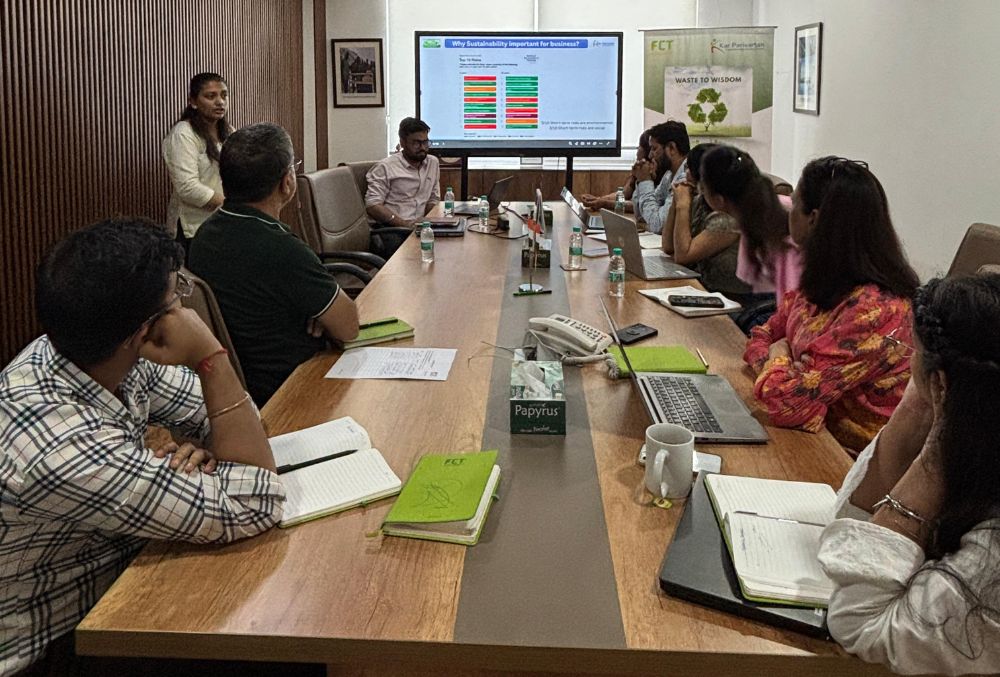
Employee Training Session at on Understanding Sustainability
On 25th July 2025, KP team members Aman Yadav, Pradnya Kurdukar, and Simran Gussain conducted an employee training session at FCT Energy (FCTecNrgy). The session focused on Sustainability, Circular Economy, and EPR, as part of the Vikalp Waste to Wisdom initiative under the Learning & Development program.

How End-to-End EPR Management Simplifies Compliance for Brands
In today’s environmentally conscious landscape, Extended Producer Responsibility (EPR) has emerged as more than a regulatory checkbox, it’s a strategic imperative. As waste streams like plastic packaging, batteries, e‑waste, and tyres gain regulatory attention, brands face intricate EPR compliance requirements under evolving frameworks such as the CPCB EPR Portal. These demands span multiple layers: timely registry, precise documentation, coordination with certified vendors, seamless reverse logistics, budget planning, portal reporting, and audit readiness. Attempting to manage all these components manually or through disjointed systems creates operational risks, financial inefficiencies, and compliance blind spots. By embracing an end-to-end EPR solution, brands can streamline their obligations across all waste categories, minimize risk, and free internal teams to focus on core business growth, while meeting sustainability goals. Why Holistic EPR Management Matters ● Unified Regulatory Oversight Multiple mandates for plastics, e‑waste, batteries, tyres, and used oil require coordinated registration and adherence strategies. A single producer responsibility organization handles all registrations across categories and regions ensuring nothing is missed. ● Accurate Documentation & Reporting Portals demand detailed data: volumes, recycler credentials, CPCB EPR credits, and collection logs. A seamless EPR solution automates data capture and integration, eliminating errors and audit stress. ● Efficient Supplier & Recycler Coordination Managing certified recyclers, logistics chains, and certified credit delivery is complex. An integrated reverse logistics framework ensures validated pickups, timely processing, and legal issuance of EPR credits. ● Predictable Cost Management Beyond credit charges, expenses like audits, legal fees, logistics, and portal management can surprise companies. End-to-end planning ensures accurate forecasting and smart budgeting. ● Centralized Monitoring & Control Fragmented silos are replaced by a unified dashboard offering real-time updates on waste collection, portal uploads, credit generation, and reconciliation, empowering proactive compliance. ● Risk Mitigation & Audit Readiness Non-compliance penalties, fines, or certificate suspensions can be avoided with a transparent audit trail. An end-to-end EPR solution ensures traceability and compliance across the board. How Kar Parivartan’s Source-to-Pay (S2P) EPR Platform Delivers Our S2P model is designed to solve every component of EPR regulatory, operational, technological, and financial under one roof. 1. Policy Advisory Continuous monitoring of evolving extended producer responsibility in India mandates ensures you’re informed of new regulations, material categories, and deadlines. 2. Strategic Budgeting & Financial Planning We assess all cost elements from credit purchases to reverse logistics process expenses, audits, legal obligations, and portal integrations delivering clear financial forecasting and cost control. 3. Supply Chain & Logistics Coordination Leveraging our pan-India certified recycler network, we manage collection, transportation, and processing. Each recycler is vetted for capacity and licensure. Logistics events are tracked and linked to portal entries, ensuring accurate EPR credits submission. 4. Documentation & Portal Synchronization Our team oversees CPCB portal filings, reconciles data with system records, and manages CPCB EPR credits uploads. Any portal mismatches are identified and resolved in real time, maintaining compliance integrity. 5. End-to-End Traceability & Reporting Every waste stream from source collection to certificate issuance is logged and backed up by traceable documents. We maintain dashboards to track progress and generate audit-ready reports and compliance certificates. 6. Performance Insights Quarterly and annual reviews provide insights on recycler performance, collection efficiency, credit timeliness, and budget adherence enabling continuous process optimization. Benefits You Will Get ● Regulatory Peace of Mind Stay ahead of evolving policy landscapes and avoid fines or operational interruptions. ● Operational Efficiency Replace siloed systems with integrated workflows that reduce manual overhead and team burden. ● Budget Predictability Remove surprise costs with comprehensive financial planning tied to every phase of the EPR process. ● Enhanced Brand Reputation Clean compliance records and traceable documentation strengthen stakeholder trust and brand credibility. ● Strategic Advantage By simplifying compliance, internal teams can focus on innovation and growth instead of administrative load. Frequently Asked Questions ● Can one PRO manage multiple waste categories? Absolutely. A full-stack PRO like Kar Parivartan offers seamless management across plastic, e-waste, battery, tyre, and oil under a single contract and integrated platform. ● How automated is the reverse logistics process? Our system schedules certified pickups, tracks collection events, and syncs with CPCB portal entries to ensure accurate credit claims. ● Are audits simplified with end-to-end documentation? Yes. With digital logs, invoice trails, and portal-fed reports, audits become transparent, traceable, and less time-consuming. Brands engaged in EPR in plastic, e-waste, battery, tyre, or hazardous waste management can no longer manage compliance in silos. With growing regulations and operational demand, embracing an integrated EPR solution via an S2P model is essential. Kar Parivartan delivers a transparent, compliant, and cost-efficient path from registration to credit fulfillment. Ready to simplify your EPR journey? Contact Kar Parivartan today and transform compliance into a competitive advantage. Phone: 8527952225 | Email: info@gigconnect.in | Website: www.gcdigital.in/Kp/

How to Register with CPCB to Comply Under EPR Regulations
If you’re a Producer, Importer, or Brand Owner (PIBO) placing electronic goods, plastic packaging, batteries, or tyres in the Indian market, you are legally obligated to comply with the Extended Producer Responsibility (EPR) framework. Central Pollution Control Board (CPCB) mandates registration under its respective waste management portals to ensure responsible disposal, recycling, and reporting. In this guide, we’ll walk you through the step-by-step CPCB EPR registration process, required documents, timelines, and how Kar Parivartan, India’s leading EPR consultant, can assist you in achieving and maintaining compliance. Step-by-Step Guide to CPCB EPR Registration Step 1: Identify Your Waste Category The first step is to understand which category your product falls under. CPCB categorizes waste into: Each category follows a distinct compliance process and is monitored via a dedicated CPCB portal. Step 2: Visit the Respective CPCB EPR Portal For registration, you need to access the appropriate portal based on your waste type: Step 3: Create Your Business Account You will need to register your organization on the portal. Information to be submitted includes: It is critical that the information provided matches your official documents. Step 4: Upload Required Documents Accurate documentation is essential for successful approval. The following documents are commonly required: Incorrect or incomplete documentation is the top reason for rejection or delay in CPCB EPR approval. Step 5: Submit and Await Approval Once you’ve filled in the details and uploaded all documents: Timely and accurate response to follow-ups can speed up the process. Step 6: Receive Your EPR Registration Certificate If all documents are in order and requirements are fulfilled, you will receive: This certificate is mandatory to continue placing products in the Indian market and to claim EPR credits. How Kar Parivartan Can Help You Stay Compliant EPR registration and compliance is not just a regulatory formality; it’s a business-critical process. Errors in your registration, reporting, or documentation can lead to penalties or bans. Kar Parivartan is your one-stop solution to avoid these risks. We Offer: Partnering with Kar Parivartan eliminates compliance guesswork and ensures your brand reputation stays intact. Pro Tip for PIBOs Start your registration process well before the compliance deadline. Many PIBOs face registration denial or delays due to minor oversights in document format or data entry. An experienced EPR consultant like Kar Parivartan reduces this risk and ensures smooth onboarding. FAQs Who needs CPCB EPR registration? All Producers, Importers, and Brand Owners placing regulated products in the Indian market must register under EPR. How long does CPCB take to approve registration? Approval typically takes 15 to 30 working days, but delays may occur if documents are unclear or missing. What happens if I sell without registration? Selling regulated products without EPR registration is a punishable offense and can lead to business restrictions. Can Kar Parivartan manage registration and compliance? Yes, we provide complete compliance support, from registration to recycling to reporting. Ready to Register? Let’s Simplify Your EPR Journey Don’t let compliance complexities slow your business down. Let Kar Parivartan handle your CPCB registration and waste management seamlessly. Contact Us Today to get started.