

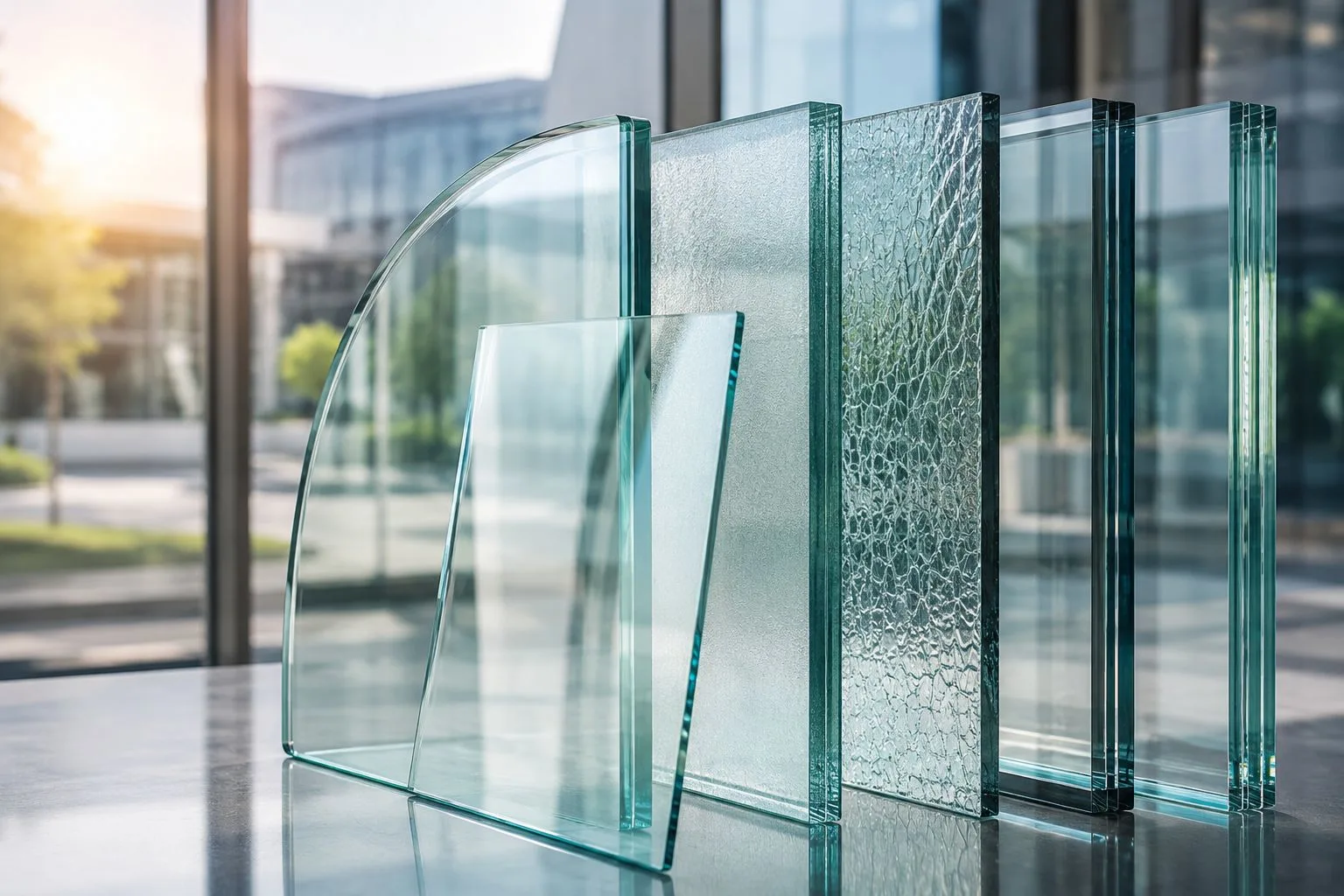
Safety Glass BIS Certification Made Mandatory in India
The Government of India has made BIS Certification mandatory for specified Safety Glass products through the Safety Glass (Quality Control) Order, 2020 issued by the Department for Promotion of Industry and Internal Trade (DPIIT).
The objective of this Quality Control Order (QCO) is to ensure that only quality-certified safety glass products are manufactured, imported, sold, or distributed in India. The regulation enhances public safety by ensuring compliance with Indian Standards for architectural, building, and road transport applications.
Whether you are an Indian manufacturer or a foreign manufacturer planning to export safety glass to India, obtaining a BIS licence is mandatory before supplying products covered under this QCO.
What is the Safety Glass (Quality Control) Order, 2020?
The Safety Glass (Quality Control) Order, 2020 was notified by DPIIT under the powers conferred by the Bureau of Indian Standards Act, 2016.
The Order mandates that specified categories of Safety Glass shall conform to the applicable Indian Standards and bear the Standard Mark (ISI Mark) under a valid BIS licence granted under Scheme-I of the BIS Conformity Assessment Regulations.
Latest Timeline of the Safety Glass QCO
| Notification | Date |
| Safety Glass (Quality Control) Order notified | 12 March 2020 |
| Original implementation date | 16 September 2020 |
| Amendment Order extended implementation | 1 April 2021 |
| Second Amendment Order notified | 18 September 2020 (introduced additional exemption) |
Products Covered Under the QCO
The following products require mandatory BIS certification:
| Product | Indian Standard |
| Safety Glass (Architectural, Building & General Uses) | IS 2553 (Part 1): 2018 |
| Safety Glass (For Road Transport) | IS 2553 (Part 2): 2019 |
The latest version of these Indian Standards, including amendments issued by BIS, shall be applicable.
Applicable Indian Standards
IS 2553 (Part 1): 2018
Applicable for:
- Building glazing
- Commercial buildings
- Residential buildings
- Curtain walls
- Architectural glazing
- Public infrastructure
IS 2553 (Part 2): 2019
Applicable for:
- Automobile windshields
- Vehicle side glasses
- Rear glasses
- Transport vehicles
- Passenger vehicles
- Commercial vehicles
Who Needs BIS Certification?
The following categories must obtain BIS certification – a BIS registration consultant in India can help confirm applicability before you apply:
- Indian manufacturers
- Foreign manufacturers exporting Safety Glass to India
- OEM manufacturers
- Automotive glass manufacturers
- Architectural glass manufacturers
Who is Exempted?
The Quality Control Order does not apply to products manufactured exclusively for export.
Additionally, the Second Amendment Order introduced another exemption under Paragraph 2 for specified cases notified by the Government. Manufacturers should evaluate whether their products qualify under this amended proviso before determining compliance obligations.
Which BIS Scheme Applies?
Indian Manufacturers
- BIS ISI Certification
- Scheme-I
Foreign Manufacturers
- Foreign Manufacturers Certification Scheme (FMCS)
Both schemes permit the use of the ISI Mark after grant of licence.
BIS Certification Process
For Indian Manufacturers
Step 1
Identify the applicable Indian Standard.
Step 2
Prepare technical documents.
Step 3
Establish an in-house quality control system.
Step 4
Test product samples in a BIS-recognized laboratory.
Step 5
Submit the BIS application.
Step 6
Factory inspection by BIS.
Step 7
Verification of manufacturing and testing facilities.
Step 8
Grant of BIS Licence.
For Foreign Manufacturers (FMCS)
Step 1
Appointment of an Authorized Indian Representative (AIR).
Step 2
Preparation of technical documentation.
Step 3
Submission of BIS application.
Step 4
BIS scrutiny of documents.
Step 5
Factory audit by BIS officials.
Step 6
Sample sealing during audit.
Step 7
Testing in a BIS-recognized laboratory.
Step 8
Grant of BIS FMCS Licence.
Documents Required
Typical documentation includes:
- Factory registration
- Manufacturing licence
- Factory layout
- Manufacturing process flow
- Quality control plan
- List of testing equipment
- Calibration certificates
- Raw material details
- Product drawings
- Product specifications
- Trademark certificate (if applicable)
- Authorized Indian Representative documents (for FMCS)
Estimated Timeline
| Applicant | Approximate Timeline |
| Indian Manufacturer | 30–60 working days (subject to successful testing and BIS processing) |
| Foreign Manufacturer (FMCS) | Approximately 4–6 months depending on audit scheduling, testing, and document approval |
Benefits of BIS Certification
- Legal authorization to sell in India
- Improved product quality
- Increased customer confidence
- Better acceptance in government and private projects
- Enhanced export credibility
- Compliance with Indian regulations
- Reduced market-entry risk
Consequences of Non-Compliance
Manufacturing, importing, selling, or distributing covered Safety Glass without a valid BIS licence may lead to:
- Product seizure
- Cancellation of import clearance
- Legal proceedings
- Monetary penalties
- Prosecution under the Bureau of Indian Standards Act, 2016
Why Choose Kar Parivartan?
Kar Parivartan offers comprehensive BIS compliance solutions for Indian and foreign manufacturers, including:
- Product applicability assessment
- Standard identification
- Documentation support
- Factory readiness review
- Laboratory coordination
- BIS application filing
- FMCS support
- Authorized Indian Representative (AIR) assistance
- Audit preparation
- Post-licence compliance support
Our experienced consultants simplify the certification process, helping businesses achieve timely regulatory compliance.
Contact Kar Parivartan
Need BIS Certification for Safety Glass?
Our experts assist both Indian and overseas manufacturers with complete BIS certification services.
Kar Parivartan – Your Trusted Compliance Partner
📧 Email: bis.sales@karparivartan.com
🌐 Services: BIS Certification | FMCS | ISI Certification | CRS Registration | LMPC | EPR | Regulatory Compliance
FAQs
Is BIS certification mandatory for Safety Glass?
Yes. BIS certification is mandatory for Safety Glass products covered under the Safety Glass (Quality Control) Order, 2020.
Which products are covered?
- Safety Glass for architectural, building, and general uses
- Safety Glass for road transport
Which Indian Standards apply?
- IS 2553 (Part 1): 2018
- IS 2553 (Part 2): 2019
Which BIS scheme applies to foreign manufacturers?
Foreign manufacturers must obtain certification under the Foreign Manufacturers Certification Scheme (FMCS).
Can importers obtain a BIS licence?
No. BIS licences are issued only to manufacturers. Importers sourcing from overseas manufacturers must ensure that the manufacturer holds a valid BIS FMCS licence.
What is the approximate timeline?
Typically 30–60 working days for Indian manufacturers and around 4–6 months for foreign manufacturers, subject to testing, inspections, and BIS processing.
What happens if products are sold without BIS certification?
The products may face seizure, import restrictions, penalties, and prosecution under the BIS Act.
How can Kar Parivartan help?
Kar Parivartan provides end-to-end support, including applicability analysis, documentation, testing coordination, BIS application filing, FMCS assistance, audit preparation, and post-certification compliance.


