The Indian toy industry has undergone a significant transformation in recent years, with safety and quality becoming top priorities. To ensure that toys sold in the market meet stringent safety standards, the Bureau of Indian Standards (BIS) has made certification mandatory for toy manufacturers.
If you’re a toy manufacturer or planning to enter the market, understanding BIS requirements is essential. Let’s break it down in a simple and practical way.
Why BIS Certification is Mandatory for Toys
The Indian government introduced mandatory BIS certification to:
- Ensure child safety
- Prevent the sale of substandard or hazardous toys
- Promote quality manufacturing practices
- Reduce imports of unsafe toys
Under these regulations, no toy can be manufactured, imported, or sold in India without BIS certification.
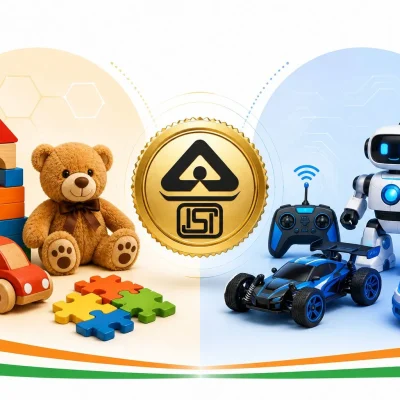
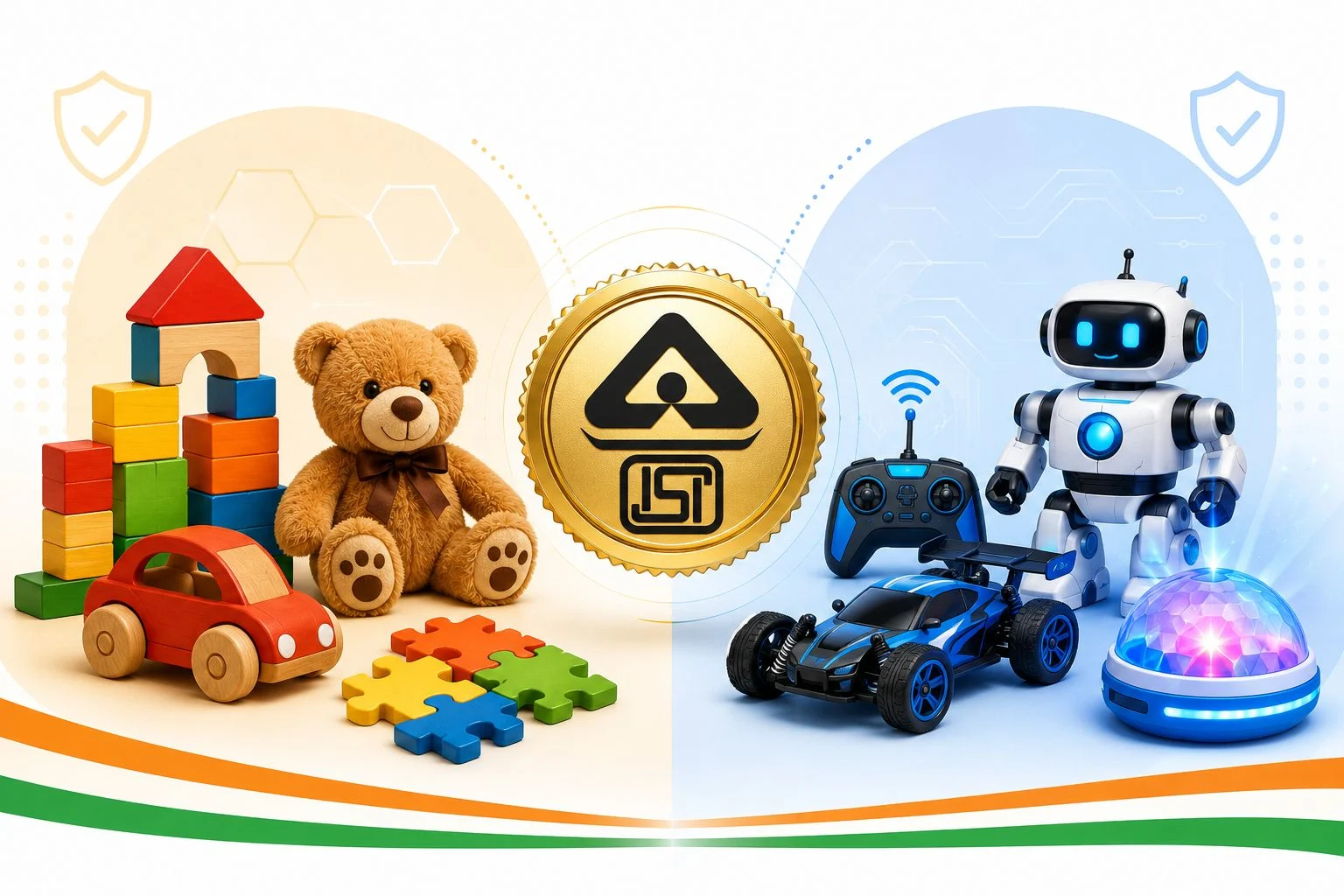
Two Categories of Toys Under BIS
BIS divides toys into two main categories:
1. Electronic Toys
These include toys that require electricity or batteries to function.
Examples:
- Remote control cars
- Battery-operated robots
- Musical toys with electronic components
Applicable Standard:
- IS 15644 (Safety of Electric Toys)
Electronic toys must comply with additional safety parameters like:
- Electrical insulation
- Protection against shocks
- Temperature limits
2. Non-Electronic Toys
These are traditional toys that do not use electricity.
Examples:
- Plastic toys
- Wooden toys
- Soft toys
- Board games
Applicable Standard:
- IS 9873 (Safety of Toys – multiple parts)
This category focuses on:
- Mechanical safety
- Toxicity of materials
- Physical strength and durability
Key Requirements for BIS Certification
To obtain BIS certification, manufacturers must:
- Apply under the Compulsory Registration Scheme (CRS) or ISI Certification Scheme
- Get products tested in a BIS-approved laboratory
- Ensure compliance with relevant Indian Standards
- Use the ISI Mark on certified products
Important Points for Manufacturers
- Certification is required for each product category
- Both domestic and foreign manufacturers must comply
- Non-compliance can lead to:
- Product bansPenalties
- Legal action
Benefits of BIS Certification
Getting BIS-certified is not just about compliance—it also offers advantages:
- Builds consumer trust
- Enhances brand reputation
- Ensures market access in India
- Reduces risk of recalls and legal issues
BIS certification for toys is no longer optional—it is a legal necessity. With toys categorized into Electronic and Non-Electronic, manufacturers must ensure their products meet the respective standards before entering the market.
Understanding these requirements early can save time, reduce compliance risks, and help build a safer, more reliable brand in the competitive toy industry.