

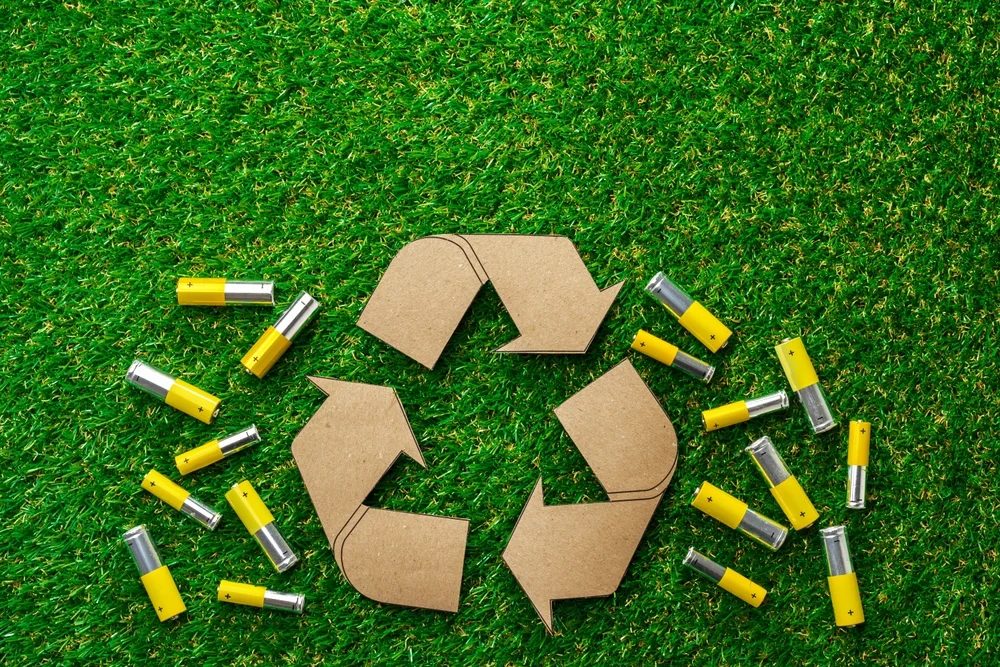
The world is moving toward electrification. From the remote control in your living room to the electric vehicle (EV) in your driveway, batteries power our modern lives. But batteries contain heavy metals like lead, lithium, and cobalt, which pose severe threats to soil and water if mishandled.
Recognizing this, the Government of India notified the Battery Waste Management Rules, 2022. These rules replaced the old Batteries (Management and Handling) Rules, 2001, introducing a robust Extended Producer Responsibility (EPR) regime.
Whether you import EVs, manufacture inverters, or sell toys with button cells, you are now accountable for the battery’s end-of-life. Here is your comprehensive guide to navigating the complex Battery Waste EPR landscape.
What is Battery EPR?
Under the new rules, the producer’s responsibility is not just about collection; it is about Recovery of Materials. The government wants to ensure that valuable resources (Lithium, Nickel, Cobalt) are recovered from old batteries to reduce dependency on mining.
The Four Categories of Batteries
The 2022 rules cover all types of batteries, regardless of chemistry, shape, volume, or material. They are classified into four categories:
1. Portable Batteries
Batteries used in consumer electronics.
- Examples: AA, AAA, button cells, power bank batteries, laptop batteries, mobile phone batteries.
2. Automotive Batteries
Batteries used only for starting, lighting, or ignition of vehicles.
- Examples: Standard lead-acid batteries in petrol/diesel cars.
3. Industrial Batteries
Batteries designed for industrial use.
- Examples: Batteries for forklifts, telecom towers, un-interruptible power supplies (UPS), and energy storage systems.
4. Electric Vehicle (EV) Batteries
Batteries specifically designed to power electric vehicles.
- Examples: Li-ion packs in e-scooters, e-rickshaws, and electric cars.
Note: If you import a product that contains a battery (like a toy with a battery inside), you are considered a “Producer” of that battery and must register.
Step-by-Step: The Battery EPR Registration Process
The CPCB portal for batteries requires precise technical data. Here is the Kar Parivartan roadmap to success.
Step 1: Entity Registration
Log in to the CPCB Battery Waste Portal. You must register as a Producer.
- Definition of Producer: Includes manufacturers, importers of batteries, and importers of equipment containing batteries.
Step 2: Technical Declaration
You must declare the type of batteries you place on the market.
- Chemistry (Lead-acid, Li-ion, Nickel-Cadmium, etc.).
- Weight of the battery pack.
- Material Composition (percentage of Lead, Cobalt, etc.).
Step 3: Target Calculation
The portal calculates your EPR obligation based on the “Placed on Market” quantity from the previous financial year.
- Unique Feature: The rules specify targets not just for collection, but for the percentage of recycled content used in new batteries (coming into effect in phases).
Step 4: Fee Payment
Pay the processing fee via the digital gateway. The fee depends on the total tonnage of battery waste you are liable for.
Step 5: Grant of Certificate
Once the CPCB validates your data and GST/IEC documents, the EPR Registration Certificate is generated. This allows you to import and manufacture legally.
Essential Documents Checklist
To ensure a smooth approval, keep these ready:
- GST Certificate: Active and valid.
- IEC Certificate: Essential for importers.
- CIN (Corporate Identification Number): For private/public limited companies.
- PAN Card: Company and Authorized Signatory.
- Technical Datasheets: Showing the weight and chemical composition of the batteries.
- Sales Data: CA-certified sales figures for previous years.
Common Challenges and Solutions
1. Retroactive Liability The rules require you to account for batteries sold in previous years to calculate current collection targets.
- Solution: Kar Parivartan assists in auditing your historical sales data to ensure accurate reporting without over-declaring liability.
2. The “Pre-Equipped” Confusion Many importers bring in laptops or toys and forget they are liable for the battery inside. They often register for E-waste but miss Battery Waste.
- Solution: We conduct a comprehensive product audit to ensure you don’t miss this critical compliance component.
3. Material Recovery Targets Meeting the specific recovery percentages for materials like Lithium or Lead is technical and difficult to track.
- Solution: We connect you with certified recyclers who possess the technology to recover these metals, ensuring your recycling certificates are valid.
Why Compliance is Good for Business
Supply Chain Security: With the government pushing for “Circular Economy,” compliant businesses will have better access to recycled raw materials (like lead and lithium), protecting them from global commodity price fluctuations.
Avoiding Operations Halt: The CPCB has the power to stop manufacturing operations or suspend imports for non-compliance. An EPR certificate is your insurance against business interruption.
Investment Readiness: Investors in the EV and tech space prioritize ESG (Environmental, Social, and Governance) compliance. EPR registration is a baseline requirement for funding.
How Kar Parivartan Can Help You
The Battery Waste Management Rules are among the most complex due to the chemical and material recovery aspects. Kar Parivartan simplifies this for you.
We provide:
- Expert registration services for all four battery categories.
- Guidance on material composition declarations.
- Strategies for meeting collection and recycling targets.
- Management of annual returns and portal updates.
The Time to Act is Now
The era of unchecked waste generation is over. The EPR registration process for Battery waste is the gateway to responsible business in India. It protects our environment and secures your business’s future.
Do you have your EPR certificate yet? If not, the clock is ticking.
Drop us a message – WhatsApp
Our experts will guide you through the entire process from registration to compliance success.


